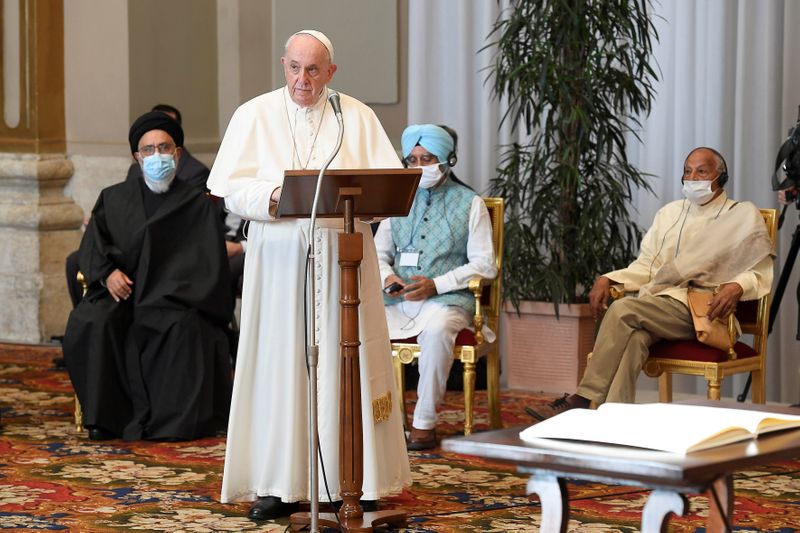
In several ways, the character of Pope Hormisdas II in CHOIR OF CLOISTERED CANARIES parallels the scientific bent of Pope Francis who called upon other religious-spiritual leaders to make a joint appeal at the upcoming meeting of the U.N. Climate Change Conference (COP26) in November at Glasgow, Scotland, on Monday, October 3, 2021, to offer concrete solutions to save the planet from “an unprecedented ecological crisis.”
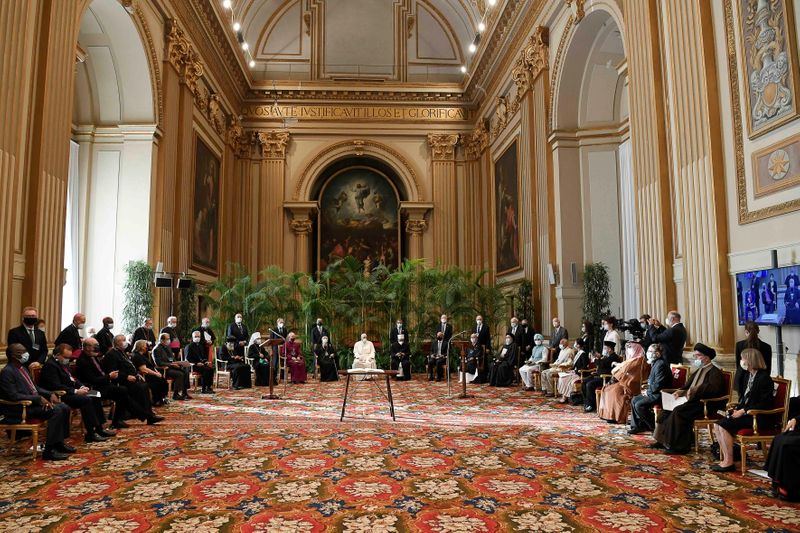
Pope Francis takes part in the “Faith and Science: Towards COP26” meeting with other religious leaders ahead of the United Nations Climate Change Conference (COP26) in November in Britain, at the Vatican, October 4, 2021. Vatican Media/Handout via REUTERS
The “Faith and Science: Towards COP26” meeting brought together leaders representing Christendom, Islam, Judaism, Hinduism, Sikhism, Buddhism, Confucianism, Taoism, Zoroastrianism, and Jainism. The leaders represent about 3/4 of the population of the world, a significant percentage of people across the planet. Perhaps that collective voice will be heard.
In addressing the forum, which was organized by The Vatican, Britain, and Italy, Pope Francis said, “COP26 represents an urgent summons to provide effective responses to the unprecedented ecological crisis and [to] the crisis of values that we are presently experiencing and, in this way, to offer concrete hope to future generations. We want to accompany it with our commitment and [with] our spiritual closeness.”
The appeal, which described climate change as a “grave threat,” was posited as a “war on creation,” that calls for a “global financial architecture that repents of its sins in the past 100 years,” including changes in tax rules to promote green activity.
“If one nation sinks, we all sink,” said Rajwant Singh, a U.S. Sikh leader. The pope said, “Each of us has his or her religious beliefs and spiritual traditions; but no cultural, political or social borders or barriers prevent us from standing together.”
In Chapter 10, page 221, of CHOIR OF CLOISTERED CANARIES, Pope Hormisdas II speaks to Pope Francis’s signature theme — Environmental protection. “Climate change is causing the planet Earth to be on Fire! … Failure to cut the use of fossil fuels leads to a spiral of extreme climate changes due to a catastrophic rise in global temperature … Civilization requires energy, but energy use must not destroy civilization!” Nonetheless, Pope Hormisdas II, a scientist, is also interested in alchemy.
Francis, 84, about 11 years ago and several times thereafter appealed to the fossil fuel CEO’s and investers to have good faith in protecting the environment to no avail. He continues to strongly support the environment and the goals of the 2015 U.N. Paris accord to reduce global warming. He told young people at the weekend that theirs was “perhaps the last generation” to save the planet.
The pope’s impassioned appeal to protect nature is increasingly urgent as the global pandemic alters lifestyles and makes painfully plain the fragility of life.
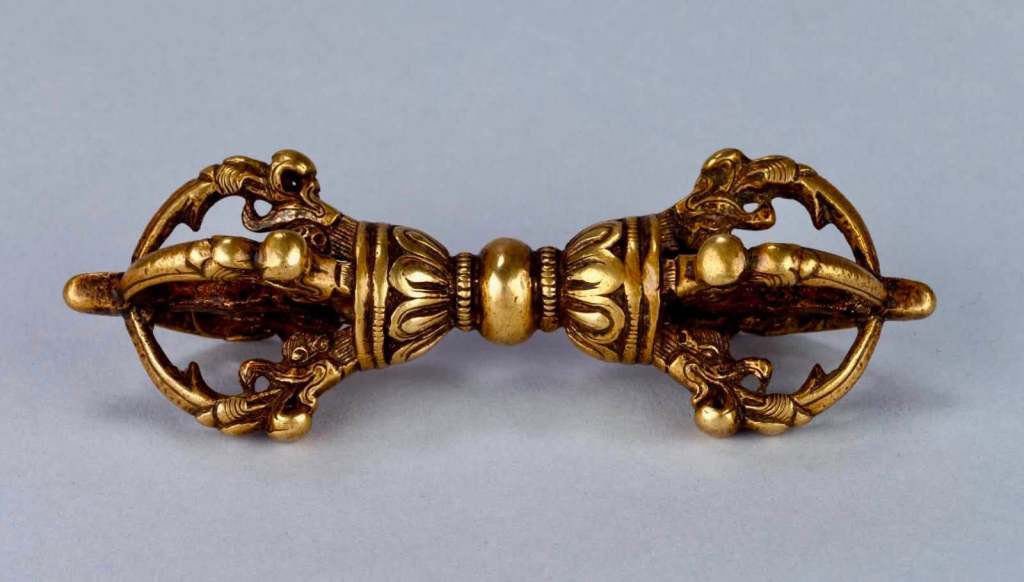
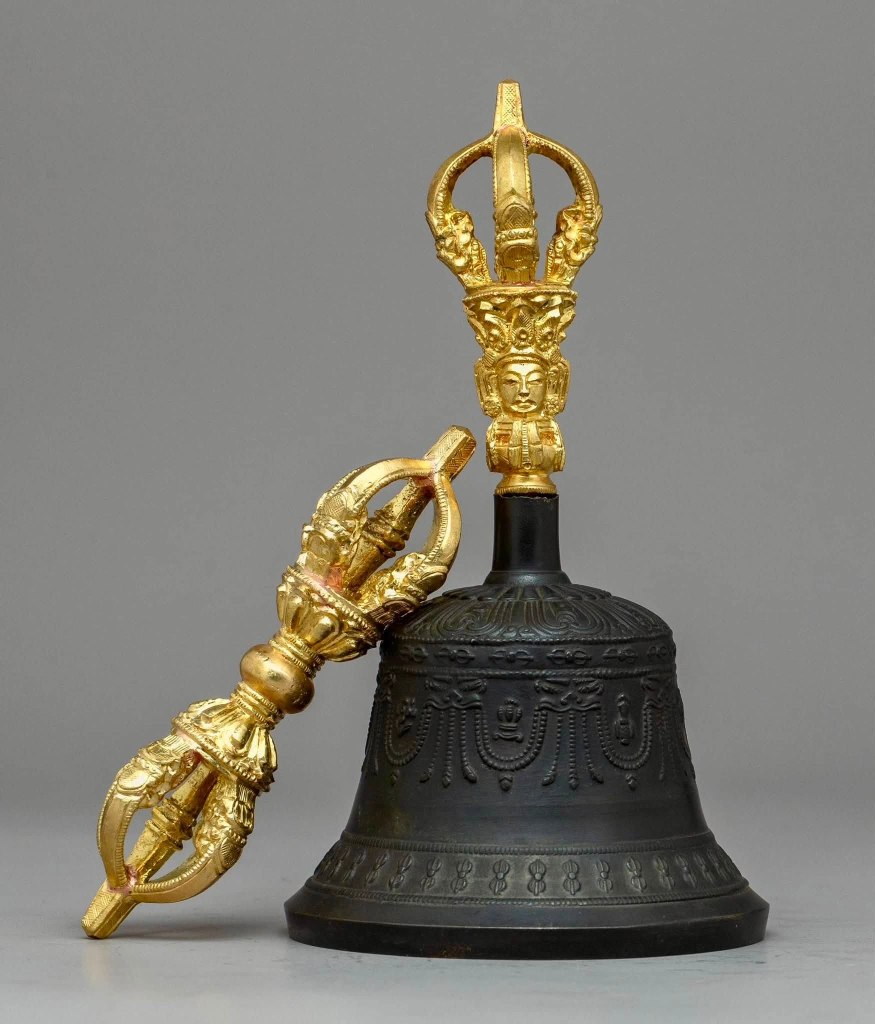
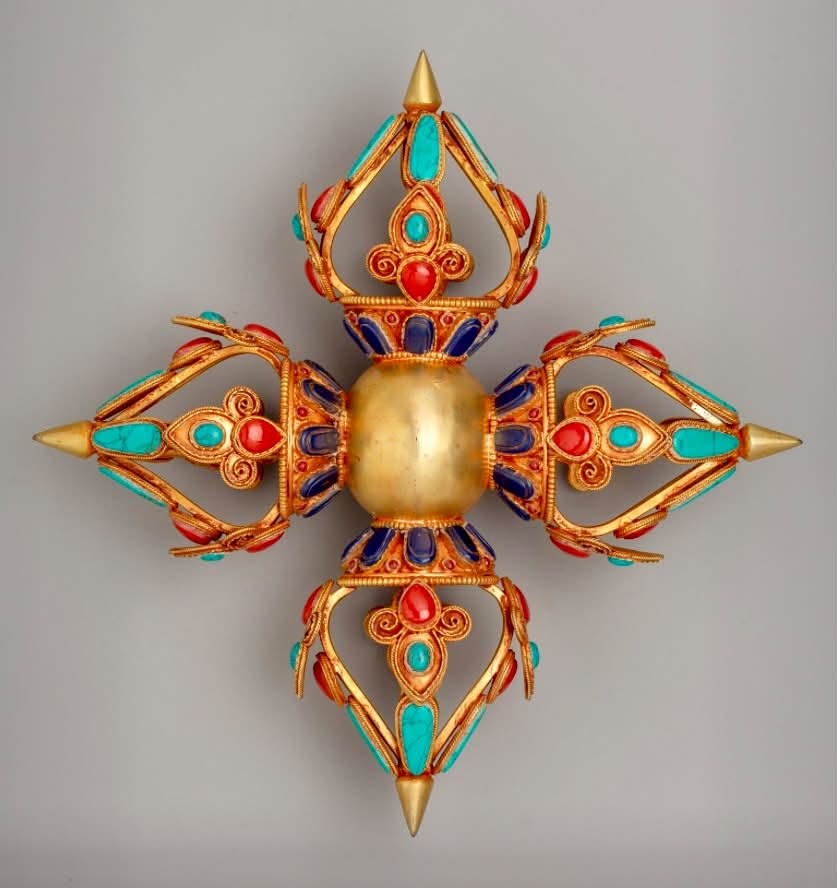
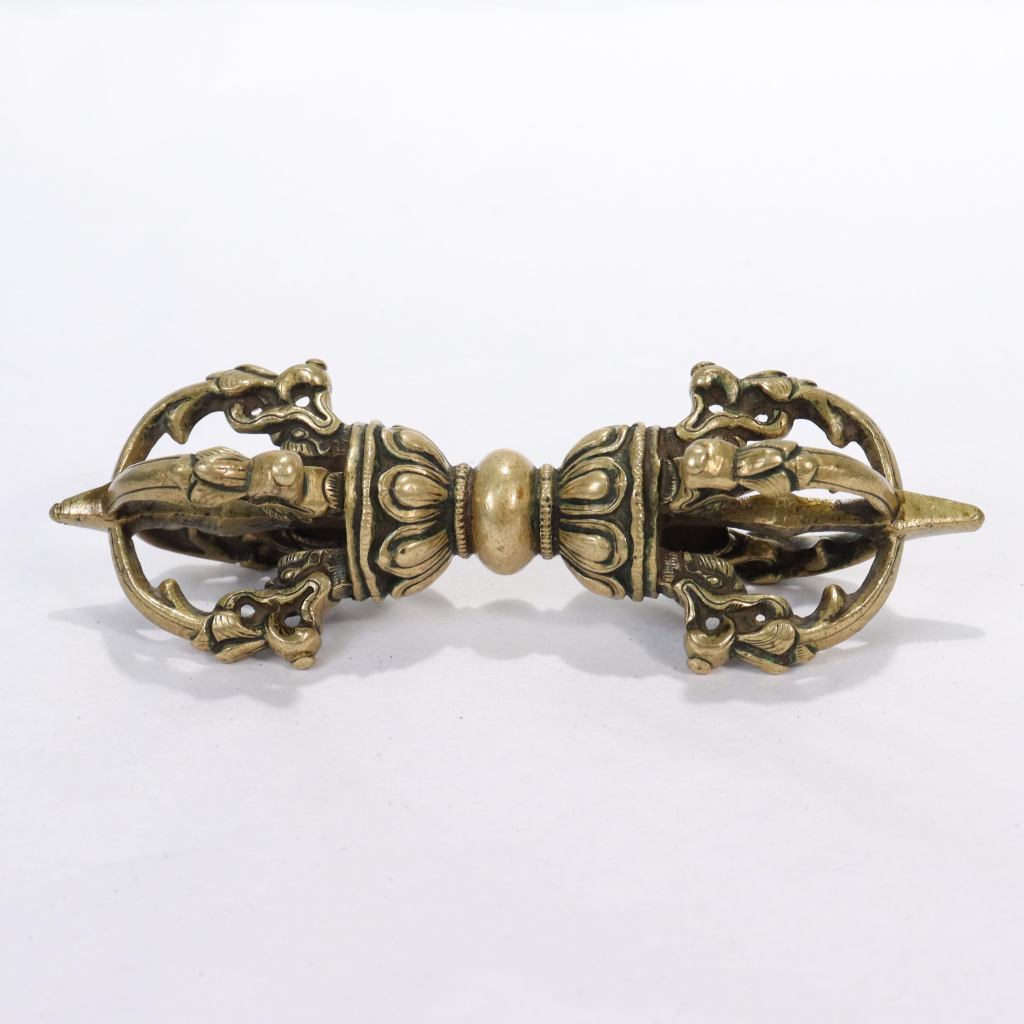
A global social media sector knows about Elon Musk’s “vajra” on his bedside table. Is it still placed there? Has he made the vajra world famous? What is a vajra and why would Elon Musk be interested in it?
Here is a clue: The vajra is still a mystery to both physicists and engineers. Musk holds a Bachelor of Science in Physics and holds the title of Chief Engineer at Space X without having a need for a degree in engineering. Also, some folks believe that the ancients held hidden knowledge and wisdom we contemporaries lack.
In late November 2022, Elon Musk posted a photo of his chaotic bedside table on Twitter, showing a mix of stuff. Among the stuff was a bronze vajra—a symbolic ritual object from Tibetan Buddhism. It is called a dorje in Tibetan. As a ritual object, it is central to the Vajrayana—or tantric (esoteric)—Buddhism. When used in ritual practice, it becomes a display of symbolic awakening. Moreover, a powerful vajra would contain more copper than bronze (an alloy made by combining copper and tin). Copper is a pure elemental metal while bronze is an alloy that is made by combining copper and tin, phosphorus, or aluminum. As an elemental metal (Cu), copper has high electrical and thermal conductivity for superior strength, hardness and wear resistance.
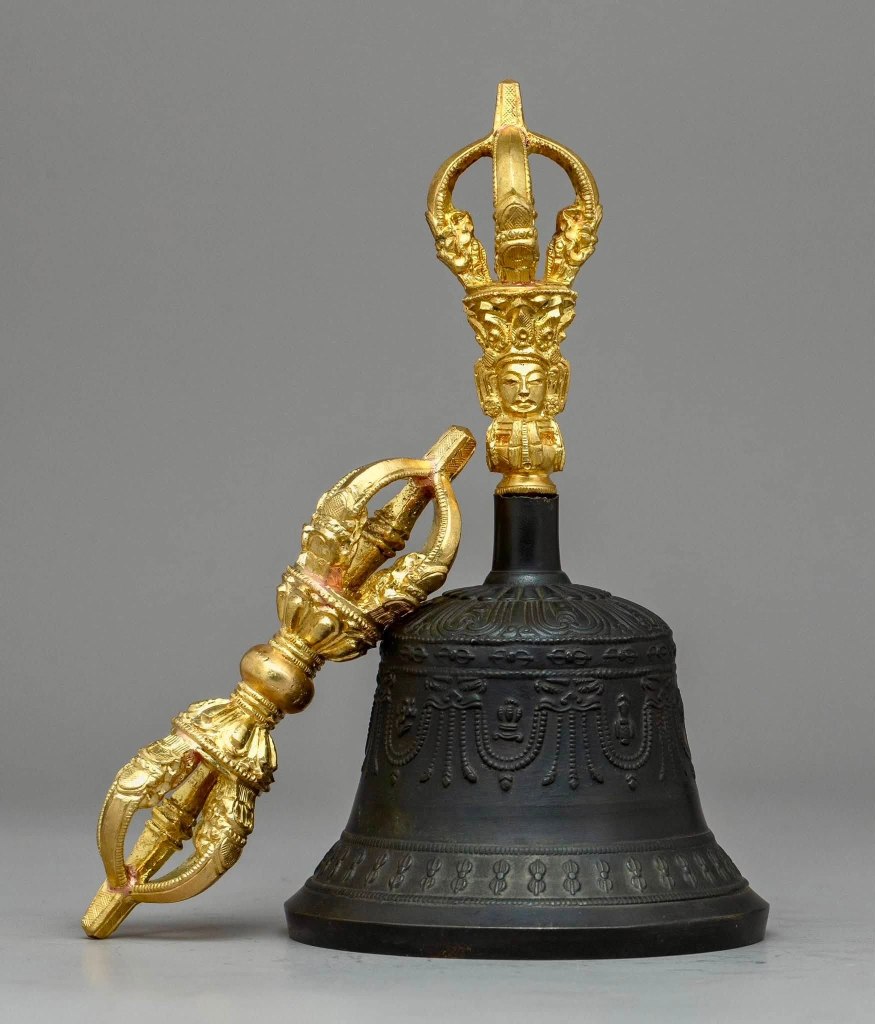
The vajra is usually paired with a ritual bell (Tib., drilbu). This point matters, which is disclosed in the text below.
What the Vajra Is and is Not
The vajra is an important instrument to the ancients who described the ineffable [god] in most cultures. But in the culture that developed the language of Sanskrit, vajra means both “thunderbolt” and “diamond.” It is linked to Indra, the thunderbolt-wielding deity of the gods in Hindu-Vedic mythology, and in Buddhist tradition to Śakra. However, our minds tend to reify such phenomena as Indra, Vishnu, Shiva, and the like. In other words, these ancient deities represent different states of awareness since our cognitions are a dance between veiling and unveiling (“the dance of Shiva”). Unfortunately, it was the lesser intelligent beings who reified them, not understanding that they, as these deities, have the whole universe contained within them as well. These ancients understood the reality of the nature of mind as mind consciousness, which occurs recursively at all scales and times.
During the Early Vedic Period (c. 1500–1000 BCE), the mythological counterpart of Indra evolved from other Vedic deities into the Trimurti of Brahma, Vishnu, and Shiva. There was a broader shift in the pantheon over time, but the deities were the same suspects. Indra was the god of thunder, lightning, rain, and storms (thus, the affiliation with “thunderbolt-wielding” strength). The diamond aspect has at least two meanings–its durable hardness to be able to cut through things, and forms under extreme heat (over 2000 degrees Fahrenheit) and high pressure that squeezes carbon atoms into tights crystal shapes.
Indra was often paired with Mitra (god of friendship and harmony), forming the dual deity Mitra–Indra. Other Vedic gods like symbolizing fire, cosmic order, and sacred drink were also central (especially when Zoroastrianism was founded; but Indra stood out as the most powerful and popular until the rise of the Upanishadic and Early Puranic Periods (c. 800–300 BCE onward). Indra’s role as a warrior and storm god diminished, and he was gradually replaced by more abstract and philosophical concepts like Brahman and Atman. Eventually, Indra’s image became more humanized—sometimes portrayed as proud, flawed, or even lustful—while Vishnu emerged as the preserver, Shiva as the destroyer, and Brahma as the creator. Also, it was Shiva who absorbed aspect of Indra’s storm and destruction; and the Vajra became associated with Shiva’s weapon. It is only symbolic and not to be objectified.
Musk’s Frame of Reference on the Vajra
Whether or not Musk has some private religious belief or is an agnostic or an atheist is immaterial. However, his remarks on the Vajra, when it became a social media thing, simply replied, “This is the Vajra (Dorje). This device goes back to over 30,000 years from the Vedic and Sumerian cultures. Model of a ‘free energy’ [lightning] device from the gods”. He did not even offer to explain away why it was on his bedside table. Nevertheless, Musk’s interest is in the vajra representing “free energy”. Wouldn’t he not want to tap into that “free energy”?
In Chapter 20 of Even a Crow Knows How to Crack a Walnut in Clear Light, the main protagonist and lead MIT physicist at an experimental station in Chile is also intrigued by the vajra. Even though she knows its spiritual implications as a Buddhist practitioner, she still asked herself, Does the vajra represent something internal or external or both?… In her journey, she does question the power of a physical vajra. Even the novel is dedicated to it. In short, the “story” of a ritual object is shared as a broader cultural conversation about religion, symbolism, and the intersection of spirituality and technology.
Why It Matters
Screenshot
Screenshot
Because the Vajra is still in use as a spiritual symbol, having mythological roots and of interest and as having some technological significance in our world of quanta, In Even a Crow Knows How, the technological properties are explored as fiction. Nevertheless, in Tibetan Buddhism, the Vajra represents something that takes into consideration why the ritual Vajra and the ritual bell co-exist. As the phrase goes, “there is no Shiva without Shakti” (i.e., “pure, silent consciousness cannot act or manifest without active energy” (better yet, “without Shakti, Shiva is inert; without Shiva, Shakti has no direction”). Using the metaphor of a corpse, “without Shakti (energy), Shiva becomes Shava (lifeless and inactive).” The two forces are not separate entities; they are inseparable.
When it comes to the realm of consciousness and energy, Vajra is the unchanging soul or witness while Shakti is the active force that creates and moves the universe. Here is where the Buddhist practice comes into play:
As a Vajrayana Buddhist symbol, it is a method referred to as “compassionate action,” “skillful means,” and “the active effort to benefit all beings.” It has indestructible powers–wisdom (the final being all-pervasive wisdom), and awakening that cannot be destroyed by confusion or hardship. It has penetrating power in that it cuts (like a diamond) through ignorance (e.g., distraction), attachment, and mistaken views of reality. Finally, it forms a unity that is known as the inseparability of compassionate activity and insight into reality.
In practice, the yogin/yogini hold the vajra in the right hand and the ritual bell in the left. It can be used in gestures, visualizations, initiations, chants, and meditation practices. It is never used as a physical weapon. When viewed as a “weapon,” it serves as an imaginary gesture to conquer inner obstacles (e.g., pride, anger, craving, and the like) but never to attack a perceived enemy. Together, the vajra and bell express a core Vajrayana principle: compassionate action to be joined with wisdom.
In essence, the vajra is a compact visual teaching of having a stable, diamond-like awakening and of having the power to transform confusion into the awakened mind-consciousness. The ultimate result: all-encompassing wisdom. Often referred to as the wisdom of the absolute space of reality (Tib., dharmadhatu wisdom), the all-encompassing wisdom is “the boundless, non-discriminating awareness that perceives the fundamental equality and interconnectedness of all things.”
When the author was faced to give her novel an appropriate title that partially dealt with the toxicity of chemicals used in everyday life and agriculture, namely chlorpyrifos (pronunciation: klôrˈpirəˌfäs), she sought a title with the first letter “C” and ended up with an appropriate alliteration that includes idiom “canary in the coal mine”–Choir of Cloistered Canaries. On all fronts, this chemical is not safe; it can affect the nervous system–health harms (e.g., neurological development and Parkinson’s disease claims). See pp. 79-86. (Image caption: Astrocyles surrounding capillaries in brain(Artwork by Ben Brahim Mohammed))
Chlorpyrifos is a broad-spectrum organophosphate insecticide used on crops and sometimes insects/pests in structure, which can affect the nervous system by disrupting acetylcholinesterase (AChE) that functions to rapidly break down the neurotransmitter acetylcholine, thus terminating nerve signals and allowing precise control of muscle and nerve activity. Like nicotine, it delivers, by breaking the blood-brain barrier (BBB) undetected. The health risk is high and higher with exposure to its spray and dust. It requires proper handling; however, the manufacturer fails to state in the warning label that use is subject to drift damage. Drift damage refers to harm caused to plants, crops, or even vehicles when chlorpyrifos are carried away from their intended target by wind (particle drift) or evaporation (vapor drift) and land on non-target areas.
Moreover, when it comes to carefully handling chlorpyrifos, it is hard to avoid breathing the spray or dust. Often the agricultural workers handling the product are not provided with appropriate PPE respirators and the like. Even children, food, and water sources are not to be exposed to chlorpyrifos, but they are exposed.
This insecticide is produced by several global agrochemical companies. While regulatory restrictions have reduced its use in some regions, it remains in production in others, and several manufacturers continue to supply it. While the science is clear and present about its health effects, it has not been banned as one would think and hope.
Key Manufacturers
Corteva Agriscience (formerly Dow AgroSciences) – Based in Indianapolis, Indiana, USA, Corteva is a major legacy producer of chlorpyrifos, historically marketed under brands like Lorsban™ and Dursban. It continues to supply in regions where the product is approved, focusing on pest control for crops such as corn, soybeans, and fruit trees (Chemical Research Insight org.)
Dow Chemical Company – The original developer of chlorpyrifos, Dow AgroSciences was part of DowDuPont before the spin-off. It has phased out production in many markets but maintains a global supply chain in approved regions chemicalresearchinsight.com+1.
Gharda Chemicals Limited– An Indian manufacturer producing technical-grade chlorpyrifos and formulations, serving both domestic and international markets. It emphasizes cost-effective production and R&D to meet demand in price-sensitive regions chemicalresearchinsight.com.
Nanjing Redsun – A leading Chinese agrochemical company with significant chlorpyrifos production capacity. It is a key supplier in Asia and exports globally, especially as Western production declines chemicalresearchinsight.com.
Sumitomo Chemical Co., Ltd. – A Japanese chemical giant with crop protection products in its portfolio, including chlorpyrifos in various formulations Discovery.
BASF – Produces chlorpyrifos in multiple formulations for different crops and pests, aligning chemical management practices www.cnagrochem.com.
Syngenta – Involved in producing chlorpyrifos formulations as part of its integrated pest management solutions www.cnagrochem.com.
UPL Limited – An Indian multinational with growing presence in chlorpyrifos production, offering pest management solutions tailored to local farming needs www.cnagrochem.com.
Guangxi Tianyuan Biochemistry Co., Ltd. – A Chinese agrochemical producer offering chlorpyrifos and other pesticides Discovery.
Other providers in the United States–Adama Agriculture Solutions (Raleigh, NC), Bayer Crop Science (St. Louis, MO), FMC Corporation (Philadelphia, PA), Gowan Corporation LLC (Yuma, AZ), Nufarm Limited (Chicago, IL),
Table 1. Chlorpyrifos uses currently allowed by U.S. States
AL, DC, DE, GA, ID, IN, KY, MD, MI, NJ, NY, OH, OR, PA, TN, VA, VT, WA, WV
Asparagus
MI
Cherry (tart)
MI
Citrus
AL, FL, GA, NC, SC, TX
Cotton
AL, FL, GA, NC, SC, VA
Peach
AL, DC, DE, FL, GA, MD, MI, NC, NJ, NY, OH, PA, SC, TX, VA, VT, WV
Soybean
AL, CO, FL, GA, IA, IL, IN, KS, KY, MN, MO, MT, NC, ND, NE, NM, OH, OK, PA, SC, SD, TN, TX, VA, WI, WV, WY
Strawberry
OR
Sugar beet
IA, ID, IL, MI, MN, ND, OR, WA, WI
Wheat (Spring)
CO, KS, MO, MT, ND, NE, SD, WY
Wheat (Winter)
CO, IA, KS, MN, MO, MT, ND, NE, OK, SD, TX, WY
It should be noted that, where individual States (e.g., NY, MD, OR) have enacted State-level statutes banning organophosphates, State law supersedes Federal allowances.
It should also be noted that the commercial synthesis of chlorpyrifos relies on coupling two key precursor chemicals–(1) O.O-diethyl phosphorochloridothloate (DETC) and (2) 3,5,6-trichloro-2-pyridinol (TCPy).
Legal Challenges
In the United States, there have been lawsuits involving chlorpyrifos, including cases alleging health harms. Beyond private tort litigation, there haven been legal challenges on EPA regulations involving chlorpyrifos. The main EPA-regulation legal challenge that directly affected chlorpyrifos tolerances was in the U.S. Court of Appeals for the Eighth Circuit. In brief, (1) Final rule (2021) revoked all chlorpyrifos food/feed tolerances; (2) a chlorpyrifos registrant and grower groups challenged that action; (3) the U.S. court remanded the matter back to EPA for further proceedings on November 2, 2023 whereby EPA’s tolerances were reinstated on December 28, 2023; (5) then EPA approved the amended labels and reflected the reinstatement in subsequent rulemaking with additional steps.
EPA rulemaking process is described as ongoing with an expended amended proposed interim decision planned for 2026. The agency approved amended labels reflecting voluntary cancellation and geographic/use restrictions discussed in earlier review documents. In addition, EPA issued a proposed rule relating to tolerance changes and reopened the public comment period with submissions handled through the relevant docket on regulations.gov )approved amended labels reflecting voluntary cancellation and geographic/use restrictions discussed in earlier review documents (EPA-HQ-OPP-2024-0431). As of this posting (Aug 5, 2026), EPA’s proposed chlorpyrifos tolerance-related rule is in the post-comment phase, with public comments no longer accepted.
EPA has issued a final action reinstating chlorpyrifos food/feed tolerances after the court case, via an EPA Federal Register technical correction dated Feb. 5, 2024: Chlorpyrifos tolerances are currently in effect for the retained/registered food and feed uses, consistent with product labels.
The first time chorpyrifos was banned was under the Obama Administration. The second time, it was banned by the Biden Administration on February 28, 2022, to keep insects from damaging the nation’s crops as it was also toxic to plants. The chemical is still widely deployed as an agricultural pesticide in other countries, and it continues to be used as an insecticide in U.S. homes (e.g., in enclosed roach traps) and in nonfood settings such as golf courses and decorative-plant nurseries.
The twice-elected Trump Administration has reinstated use of chlorpyrifos in the United States. Chlorpyrifos was first marketed in 1965 by Dow Chemical as a presumed safer replacement for the banned insecticide DDT (dichlorodiphenyltrichloroethane)–eventually becoming one of several such “regrettable substitutions.” However, money talks and used to lobby the Executive and Legislative Branches of the United States. “The Global Chlorpyrifos Marketwas valued at USD 512.5 Million in 2021 and is projected to reach USD 601.4 Million by 2028, growing at a Compound Annual Growth Rate (CAGR) of 2.3% during the forecast period (2022–2028). This growth is being driven by the persistent need for effective pest control in agriculture, though the market is also navigating significant regulatory challenges and a global shift towards safer alternatives” (Chemical Insight Review). The argument to continue the use of this toxic chemical is that it is needed by global agriculture due to rising food demand.
In the United States, EPA has retained 11 crops as noted above–alfalfa, apple, asparagus, cherry (tart), citrus, cotton, peach, soybean, strawberry, sugar beets, and wheat (spring and winter). Yet, the negative consequences remain due to exposure to this toxic chemicals–they include depression, skin irritation, hormonal disturbances, immunologic abnormalities, rapid muscle shrinkage and nervous system effects. Chronic chlorpyrifos exposure is characterized by light-headedness, tachycardia (abnormally rapid heart rate), paresthesia (tingling) and an increased risk of various cancers, whereas acute exposure can cause seizures, coma and death. Young children and in utero are subject to health risks such as developmental problems and lower IQ. In humans and other mammals, chlorpyrifos toxicity is mainly due to its ability to cause accumulation of the neurotransmitter (chemical messenger) acetylcholine in the nervous system.
In summary, the list of health risks is not something to sneeze at. Studies have shown some of these risks: prostate cancer, lung cancer, breast cancer, multiple myeloma and leukemia, respiratory problems (asthma, wheeze, allergies), retinal degeneration, longer menstrual cycles and missed periods, diabetes, and the list goes on and on and on. Just like the nicotine manufacturers, they know the high health risks, for they do conduct research studies as did the Seven Dwarfs of Nicotine (CEOs) industry who testified before the U.S. Congress that “nicotine was not addictie” in 1994!
We all know the phrase, “canary in the coal mine,” that refers to an early warning sign of potential danger in detecting toxic cases in the coal mine–the canary dies.
Unfortunate for the author, Febreze became such a problem for her (and others who suffer from Multiple Chemical Sensitivities (MCS)). Proctor & Gamble test marketed Febreze as a fabric refresher in 1996 and then rolled it out widely in 1998 to aggressively promote it as the “best breeze in the air to eliminate odors” or as the “odor killer.” P&G has successfully promoted its trademark but not as a torus of artificial fragrances/chemicals. It’s fragrances was even applied into pillows for sale! Needless to say, it affects all users, their friends, families, and strangers sooner or later with some serious symptoms and altering health problems. BRAIN FOG is one of the symptoms that could be accompanied with dizziness and high-blood pressure. Character Izobel in Choir of Cloistered Canaries is one of the MCSers.
BRAIN FOG has been determined by a recent scientific study to be BIOLOGICAL, whether caused by a virus (e.g., COVID-19) or other chemicals (e.g., solvents, pesticides, Benzenes, heavy metals, fagrance-binding cyclodextrin). It is an indication that the blood-brain barrier has been breached.
Normally, tightly-knit cell linings keep riffraff interlopers out of the brain. What happens when exposed to these toxic chemicals, the barrier brakes down, causing the blood vessels to leak into the brain’s tissue and causing havoc (e.g., persistent inflammation of skull and brain tissues, memory collapse, etc.);
the inflammatory trigger persists and is not eliminated with the acute inflammatory response, chronic inflammatory state can be induced.
NIH-funded and NIH-indexed research has increasingly investigated the physiological link between low-level environmental toxin exposure and cognitive impairment—often described clinically and colloquially as “brain fog”.
Rather than viewing brain fog as a vague or psychosomatic complaint, modern research points to real, measurable neuroinflammatory pathways triggered by common environmental toxicants, such as volatile organic compounds (VOCs), mold spores, and synthetic fragrances.
1. The Core Biological Mechanisms
Historically, scientists struggled to explain how low-dose chemical exposure could trigger sudden cognitive symptoms like memory loss, difficulty concentrating, and “haziness.” Recent NIH-indexed literature points to three primary pathways:
The Olfactory-Limbic Pathway & Mast Cells
The nose provides a direct pathway to the brain. When we inhale volatile chemicals (like synthetic fragrances, pesticides, or solvents), these molecules bypass the systemic blood-brain barrier via the olfactory neurons.
Research suggests that these inhaled chemicals trigger mast cells (immune cells concentrated heavily in the brain’s boundary regions, like the meninges and hypothalamus). When activated, mast cells release inflammatory mediators like histamine, which trigger microglia—the brain’s resident immune cells (Rincón et al., 2024). This microglial activation causes localized neuroinflammation, which alters cerebral blood flow and directly disrupts synaptic communication, leading to cognitive deficits (Rincón et al., 2024).
The Lung-Brain Axis
Similar to the gut-brain axis, researchers have identified a lung-brain axis (Wang et al., 2026). When we inhale airborne particulates or chemical pollutants, the peripheral inflammatory response initiated in our respiratory system does not stay confined to the lungs. Circulating cytokines cross the blood-brain barrier, triggering an inflammatory cascade that impairs hippocampal function—the region of the brain responsible for memory and spatial learning (Wang et al., 2026).
2. Key NIH-Indexed Research & Discoveries
Dr. Claudia Miller’s Research on TILT (Toxicant-Induced Loss of Tolerance)—
A cornerstone of this research is the paradigm of Toxicant-Induced Loss of Tolerance (TILT), first characterized by Dr. Claudia Miller at the University of Texas Health Science Center.
TILT is a two-stage disease process:
1. Initiation: A major acute exposure (such as a pesticide application or moving into a newly built “sick” building) or persistent low-level exposure compromises the body’s natural tolerance.
2. Triggering: Everyday, unrelated low-level exposures (such as cleaning products, perfumes, or diesel exhaust) begin to trigger severe, multisystem symptoms—most notably brain fog, fatigue, and headaches (Rincón et al., 2024).
In a 2024 study, researchers tracked patients with Chemical Intolerance (CI) who underwent “Environmental House Calls” designed to reduce VOCs and fragrances in their homes (Rincón et al., 2024). Their cognitive symptoms, documented using the Quick Environmental Exposure and Sensitivity Inventory (QEESI), improved dramatically when exposure to common household synthetic chemicals was minimized (Rincón et al., 2024).
Mold Spores and Neuroinflammation
Another major source of toxic-induced brain fog is mold exposure in water-damaged buildings. A 2023 study published in Behavioural Brain Research examined the neurological effects of toxic vs. nontoxic mold spore inhalation (Harding et al., 2023).
The Finding: Inhalation of mold spores triggered substantial peripheral innate immune responses, which quickly spread to the brain.
The Cognitive Impact: The researchers found that levels of interleukin-1β (an inflammatory cytokine) in the hippocampus were directly correlated with cognitive deficits and memory retention difficulties (Harding et al., 2023). This provides a clear, biological explanation for the “brain fog” complained of by residents of mold-damaged environments.
3. Practical Takeaways for Mitigation
Based on these clinical and environmental studies, researchers emphasize several key steps to reduce the toxic load contributing to cognitive impairment:
Remove Fragranced Products: Synthetic fragrances (laundry detergents, air fresheners, personal care items) are among the most common triggers of mast cell degranulation in sensitive individuals (Rincón et al., 2024).
Improve Indoor Air Quality: Prioritize ventilation, use high-quality HEPA/carbon air purifiers to filter out VOCs, and keep household paints, solvents, and fuels stored in detached outdoor sheds rather than attached garages (Perales et al., 2022; Rincón et al., 2024).
Identify the Source: If brain fog began after moving into a new home, remodeling, or experiencing a water leak, check for active off-gassing materials or hidden mold growth (Harding et al., 2023; Rincón et al., 2024)
Her name is Ana, which is of Hebrew origin and means “grace” in many languages. The Hebrew name is “Hannah” whereas in Arabic, Ana means “bliss. Blending the meanings of these two languages has meaning throughout the novel. She is in quest for her true self from a scientific bent while combining contemporary quantum physics and the age-old quest of “turning base metal into gold.” Although Ana did not grow up in a cultural Hebraic tradition, there were still traces of imprinted influences from her mother’s psyche, which were also embedded in Ana’s psyche. Thus, the name became a label that became an integral part of her identity and sense of self. In fact, she eventually associated herself with the term “light,” giving way to a multifaceted topic in sacred literature. I am also light, she once said.
Hers is not a new world, but she immerses herself in a supernatural realm that blends with her familiar world of quantum physics. There is a deliberate withholding of information and explanation about Ana’s disconcerting world while what she experiences proceeds with logical precision. Much of what is withheld is due to secrets held by unknown Vajra Holders; and, in part, a miniscule aspect of such knowledge is sworn to secrecy by the author.
The secondary principal character in the title is the intangible Crow, Ana’s spirit animal, which symbolizes intelligence, wisdom, and transformation. In fact, the entire title is metaphorically transformational in nature, using different types of technology.
The initial story progresses, born to professional parents, Ana becomes a professional herself as an MIT graduate in engineering-physics. She is the only child of a Library of Congress research librarian and a military intelligence General of the U.S. Space Force.
Ana is recruited by a corporate head hunter with dubious designs not known to her. Upon graduating from the Massachusetts Institute of Technology, she agrees to work for a corporation tethered to the U.S. military and energy departments. Prior to reporting to her new assignment, she vacations in France at a Buddhist retreat where she experiences an undeniable truth about her personal experiences. Her professional assignment took her to the southernmost region of Chile. While there, she consorts with another American colleague as they discover the true nature of their mission with the corporation, an actual conglomerate.
In her next venture, Ana disappears into the mountainous Kingdom of Bhutan that is located at the southern extremity of the Tibetan Plateau and adjacent to the Tibet Autonomous Region as well as being closely related to the ancient Tibetan culture, where she is hosted by the “Dragon King” (Druk Gyalpo). It is there that she learns to become a Vajra (Diamond) Holder (keeper of the most esoteric teachings and practices of Vajrayana).
In summary, Even a Crow Knows How to Crack a Walnut in Clear Light is aboutan overreaching conflict between scientific technology and deciphering the ancient language of physics as conceived by humans. A subtle theme is woven into the novel about how historically-mentioned women and their contributions to society are shortchanged. This theme of women’s issues runs throughout the Armida Trilogy in Daughters of the Dance (Book 1) and Choir of Cloistered Canaries (Book II). In Book III, the principal woman reclaims her contributions in an undeniable manner.
The science: “Light energy, also known as radiant energy, is a form of kinetic energy carried by electromagnetic waves composed of photons, which allows humans to see and which powers many natural and technological processes.It can move through empty space because it does not require a medium to propagate. It is produced when electrons in atoms gain energy—often from heat or excitation—and release this energy as photons, which are tiny packets of energy.”
An unpublished chapter is offered here to appear between Chapters 23 and 24. See the text below:
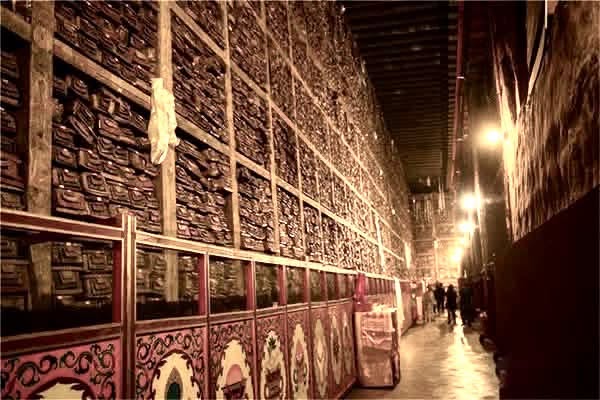
It was time for Ana to sojourn to the reestablished Sakya Monastery from Tibet to Dehra Dun, India. The recommendation came from Kiran to visit The Sakya Monastery that had relocated from Tibet to northern India due to the mass diaspora in 1959 when People’s Republic of China (PRC) under Mao Zedong invaded Tibet for themselves. Many of the scholars and monks at that monastery made it their task to smuggle as many manuscripts from their majestic library that once held over 84,000 manuscripts since its founding. Perhaps, she would be blessed in filling up voids in her practice with the help from their principal deity, Manjushri, the manifestation of transcendent wisdom. In her heart of hearts, she dreamed her sojourn was important.
There was a knowing to go there, and she thought, at first, it was because of its illustrious treasure of canons preserved miraculously. (The Sakya monks and scholars saved a number of scrolls from the original Sakya Monastery in Tibet by smuggling them to India to keep the Tibetan Sakya tradition alive and flourishing.) She further imagined there she would meet an emanation of Manjushri, the bodhisattva of transcendental wisdom, to guide her further—to help her to remove hindrances she was not acknowledging. The depth of Vajrayana was immeasurable, and the Sakyas were keepers of such knowledge. Secretly, she wondered how Sakya Master Sönam Tsemo in 1182 accomplished the incredible feat of passing away without leaving his body behind and who took his puppy with him!
Kiran made all the arrangements with the King to assign his Pilatus PC-24 jet for her travel to and from Dehra Dun along with offerings. It was mid-October 2029, shortly after the passing of Tulku Chimed Tsering Rinpoche. There was strong turbulence flying over the westerly mountains of the Kingdom of Bhutan, over Sikkim, Nepal, and Uttarakhand, but the PC-24 could easily operate up to a maximum altitude of 45,000 feet, making it suitable for high-altitude operations. The king of the Wangchuck dynasty and his minister wanted to keep her safe.
The Oldest Sakya Monastery taken over by China
The original Sakya Monastery, now designated as a Buddhist temple, is in Sa Jia Xian, Ri Ka Ze Shi, China (formerly, in Tibet). It still holds thousands of documents.
Ana was embarrassed by the elaborate reception she received at the Sakya Monastery. She met them all, wishing her mentor, her personification of Manjushri, would manifest to her that day. But it did not happen. Of all the major lamas, except for two, were from the Sakya lineage. She presented the offering contained in an elaborate wooden box from the King of the Kingdom of Bhutan. She knew not the contents, and she bowed before them, walking backwards while facing them until she reached the exit and headed straight to the nunnery.
Ana partook of the Vajrayogini practice on the 25th lunar day, the highest teaching and practice that emphasizes a rapid path to enlightenment through the embodiment of divine feminine wisdom and compassion. She did not need an empowerment from a Sakya lama, for she had already had such an initiation.
She had arrived three days before the tantric guru Padmasambhava Tsok (early evening of the 10th lunar day (Thursday, October 27, 2033), an elaborate feast in honor of the “second Buddha” who helped establish Buddhism safely in Tibet. It was a practice that gave practitioners an opportunity to acquire merit and wisdom. It was a cool evening (54odegrees F) after three hot days (91o degrees F). On Saturday, it was Monastery maintenance day.
Still, no Manjushri!
However, on the next auspicious practice on the 29th lunar day (November 2), Ana received empowerment to practice Mahakala for all Dharma protectors the previous night. Early on it was deemed early that she merited the Mahakala empowerment[ii] before the practice. It is held that the Mahakala deity is the Tibetan protector of the Dharma and who shields the faithful from negative forces, obstacles, and spiritual hindrances.
MAHAKALA, Reified Protector of the Dharma who has varying manifestations
The sacred Mahakala Mantra is “Om Shri MahaKala Hum Hum Phat”.
Practitioners merge their consciousness with Mahakala’s unyielding compassion, allowing blessings to permeate all aspects of their lives for the sake of others and themselves.
On the feast day of Mahakala, Ana sat with her eyes partly closed, her breath slowly rising and falling, and unaware that all the other participants had left the gompa. The lama who initiated the Mahakala practice quietly sat in front of her, awaiting Ana’s conscious presence to acknowledge him. When she opened her eyes fully, she heard him say, “I am called Norbu Delek. No need to call me Rinpoche. I am here to guide you further in your Mahakala practice if you are willing. I hope I didn’t startle you out of your contemplation . . . You are the young lama from Bhutan, are you not?”
With a sense of anticipatory joy, Ana grinned widely, feeling a chill run down her spine as her hands became warm. “Yes, Lama la, I am she.” She didn’t even bother to give him her name because it felt superficial and supercilious that she had received a goal-oriented and envious spiritual name.
“Oh yes, please,” as she attempted to rise to prostrate before him. He lightly pulled her outer garb downward to prevent her from needlessly prostrating before him.
“No need for the formalities.” He noted that her heart held so much joy for the Dharma and decided he would call her Peme Yiga.
Ana smiled at him warmly. “Thank you, Lama la. I am grateful.” There he is!Manjushri is present.
Norbu Delek continued as he sat down before her. “I am a Nyingmapa like you . . . In case you do not know, the founding family of the Sakya tradition started with the Nyingma tradition. He failed to point out that the lineage of the King of the Kingdom of Bhutan was related to the original paternal ancestor of the Sakya lineage—His Holiness Ngawang Thutop Wangchuck was father of founder His Holiness Jigdal Dagchen Sakya.
“Tomorrow at Noon, we will meet at the westerly chamber of the main library to practice. I will also introduce you to others who are authorized to be in the library.”
Ana wondered, So, you are designated to represent the ancient lineage at the monastery? The Nyingma (“Ancient”) tradition is the oldest tradition of Tibetan Buddhism based on the earliest translations of Buddhist scriptures from Sanskrit into Tibetan, brought by masters like Padmasambhava, that later were revised and standardized. It is known for its Dzogchen teachings, which emphasize recognizing the mind’s natural, primordial awareness. It is both inclusive and layered in its preservation of foundational Buddhist ethics to advance esoteric practices, which includes the Sakya tradition. Above all, it holds the tradition of tertȫns, revealers of past masters who protected the Dharma until the wisdom is needed. Masters could be lay persons or monastics in this tradition.
“I want to share a bit of my background with you,” said Norbu. “I was 27 when I was assigned to become an active member at the Life and Science Institute, about three years after its inception.” He paused to see if she wanted to add to the conversation.
In her silence, he proceeded. “The Institute was founded in 1987 with His Holiness the Dalai Lama in Dharamshala, India. Its main mission was to gain understanding between the Dharma as taught by Buddha Shakyamuni and western science.
“The Institute has remained at the contemporary cutting-edge of scientific research and innovation engaged with contemplation science. As a scientist myself who dabbles in theoretical physics from time to time, I was involved in many research projects I was asked to attend.
“Starting tomorrow, we will meet in the north-facing wing of the library to practice. Are you willing and ready?”
“Oh yes. I am so thankful, Lama la,” responded Ana intently.
As Norbu rose from the zafu, he glanced at her quickly, feeling pleased that she was having a happy heart. He decided he would address her as Yiga la, for her joyous heart.
Before Ana and Norbu Delek settled into their practice together, Norbu knew there was a link between her heritage and her mother’s Jewish heritage since her mother often shared with Ana her research on the feminine. There was a need for resolution.
“Yiga, I want you to meet one of our translators who specializes in texts from the first, second and third centuries C.E. . . . In addition to Tibetan, he knows Melkite Aramaic.”
Ana looked up at him surprised. “Oh, wow . . . My mother and I had many debates about whether or not the Jesus in the Greek scriptures is historical. Yet, it is currently held that the young Jesus joined a caravan and went eastward to Odessa. I don’t know if it was by caravan or sailed there. But, as I recall, he was somewhat like Einstein in his early years . . . rambunctious rebel . . . to the point Isus, Jesus’s semitic name, was chased out of Odessa by the religious elders. He ended up in Tibet and trained in Buddhism for three years—”
“Yes, and His Highness the Dalai Lama had to deny when asked that Isus had received Buddhist training. The record is here, but you must deny it exists if we were to show it to you . . . It is politically too sensitive.” Imagine the turmoil and religious wars that would ensue, thought the lama
Ana concurred wholeheartedly. It was an oath of secrecy.
Pleased with her response, Norbu continued, “I want you to meet Dr. Samuel Safaa from the University of Washington in Seattle.”
“Will he likely have translated some of the Gnostic books that mention Isus and Mary Magdalene?”
“Ah, yes. The mistaken wife of Isus.” He looked at her, adding carefully, “He could have been a monk in Tibet. Ask Dr. Saffaa if he has written a paper on the subject. He may have it available online somewhere.”
“I wonder if I should share it with my mother.”
“That’s for you to decide, Yiga la.”
After her first day of solo practice with Norbu and meeting Dr. Saffaa, she found the PDF article of his on his translation, unredacted Melkite Aramaic, in her e-mail. After reading it, Ana synthesized what could possibly be true about Mary Magdalene (of Magdala, a fishing village on the western shore of the Sea of Galilee (suffix ene is a toponymic), Jesus, and the other disciples. Then she let it go from her mind and not deciding to share it with her mother) after she concluded what Jesus said about attachment being the sin. She was more interested in the way of the Dharma than in the way of humanity.
After her first day of solo practice with Norbu and meeting Dr. Saffaa, she found the PDF article of his on his translation, unredacted Melkite Aramaic, in her e-mail. After reading it, Ana synthesized what could possibly be true about Mary Magdalene (of Magdala, a fishing village on the western shore of the Sea of Galilee (suffix ene is a toponymic), Jesus, and the other disciples. Then she let it go from her mind and not deciding to share it with her mother) after she concluded what Jesus said about attachment being the sin. She was more interested in the way of the Dharma than in the way of humanity.
Ignoring the interpretations of Mary of Magdala and Isus as sextual couples, she focused on the agency of Mary of Magdala.[iii] She was older than he, from an affluent family, and was favored by him because she possessed a deep, intuitive understanding of his secret teachings (much of the texts had been redacted or destroyed to preserve orthodoxy to know conclusively that he kissed her on the mouth). After Jesus answers questions about the nature of matter and states of consciousness, mental factors, and the processes of the mind, the male disciples were terrified and grieved because they did not understand fully; and they recognized that it was so different from what their leaders had taught them and that also affected their overall cultural habituation.
A good example is the following dialogue: Mary of Magdala asked, “Lord, how does he who sees the vision see it—through the soul or through the spirit?” (To be noted, in Aramaic, Mary of Magdala was distinguishing between nephesh (soul) and rauch (spirit).) Jesus answered that it is seen through the mind that sits between the two, in Buddhist translation, consciousness that connects both the brain and the heart. He further revealed a higher esoteric Gnostic teaching about consciousness ascending past hostile cosmic powers—ignorance and desire—to find ultimate rest (self-liberation). Most important was that Jesus favored her because she could reason at the level that men were taught to reason. He pointed out that she was elevated as an intellectual equal to the make apostles. Women were neither encouraged to be independent nor intellectual thinkers as now.
The substitute words for missing words in the manuscripts perpetuated a misrepresentation of Jesus kissing her on the mouth or cheek. A telling bit of conversation that survived is that, when some disciples asked Jesus, “Why do you love her more than all of us?” Jesus responded with a metaphor about sight and darkness: “Why do I not love you like her? When a blind man and one who sees are both together in darkness, they are no different from one another. When the light comes, then he who sees will see the light; and he who is blind will remain in darkness.” Understanding the teaching was like seeing the light; not understanding was like remaining in ignorance. This metaphor is a very eastern form of argumentation.
Ana’s remaining month India was filled with intense practice and new approaches to what she was taught in the past. It was different because the metaphysics of the yoga asanas were now based on modern nomenclature of the biology and chemistry that produced results in yoga practice. Thus, the biology on a few of the six ancient methods—breath retention (Prana Samyama), herbal alchemy (Rasa Vadya), thermal purification (Svedana), cold immersion (Sita Snina), mindful waking (Jagarita), sacred intention aligning actions with the cosmic order (Sankalpa)—were stressed to her liking. They were mostly exploring the power of breath and sound.[iv]
For example, there is a cellular switch that fights fatigue. Every cell has a tiny engine called mitochondria, which converts every food eaten and every breath taken into energy that runs the heart, brain, and body. After the age of 45, the mitochondria stop replacing themselves. Nothing replaces them. They affect lack of sleep so that one does not feel restored from sleep. The cellular power starts failing. Yet, the mitochondria still remain in the body, intact and waiting to be restored. There is one signal that restarts the mitochondria. Science calls the signal PGC01 Alpha. One switch affects two results—aging slows down and energy is restored within two days.
She learned to use her breath to ensure heart rate variability is optimal to strengthen the diaphragm, which does not stand alone. It has two tendrils, called the crura, which directly anchor to the lumbar vertebrae and are structurally linked. When one locks due to stress, it pulls on the other. The diaphragm is part of the same nervous system. So, the switch to experience the breath—the length and depth of the exhale directly signal the longest nerve in the body, the vagus nerve, which carries the nerve traffic that connects your gut, heart, and brain. Eighty percent of one’s breath travels from the whole body to the brain. By this method of breathing, one’s breath is not limited to one’s state of mind. The slow, deep breathing strengthened the vagus nerve (nervus vaga) and helps to reduce anxiety. Better vagal tone improves heart rate variability for resilience and longevity. The diaphragm is always there to be engaged to do what it does best. It was vital to know how to breathe deeply. If the hand on the belly rises instead of the hand on the chest, a parasympathetic shift takes place in a prolonged exhale.
The Khumbhaka-Rechaka[v] was more elaborate as a breath practice, which triggers a massive surge of nitric acid that dilate blood vessels, flooding tissues with CO2 circulation. The inhale-exhale protocol* stimulates BDNF (Skt. Prana) production that grows neural connections and reverses cognitive aging. It also initiates cellular autophagy (the same response when fasting) where damaged cells are broken down and recycled). As the oxygen is dipping, it registers a low oxygen signal, HIF-1 (Alpha) known as the master regeneration switch, which becomes activated. Within 21 days of consistent practice, the body will start repairing damage incurred over years. The body then does what it is knows to do biologically from the beginning of time. It knows to respond to the language of breath.
The 111 Breath Protocol was the most fascinating because it pointed out that the breath is a neurological pathway to programming the subconscious—a breath shift goes from beta states to alpha and theta states in under two minutes. These altered states are known as “Coherent Field Resonance,” (Skt., pranavidya) the exact frequency needed for the probability outcomes desired. It should not come as a surprise that breath carries information, not just air, as confirmed by neuroscience. Every inhalation sends electrical signals through the vagus nerve that directly communicates with the subconscious mind. Literally, when breathing with intention, new reality consciousness parameters operating system. This protocol breaks the limitation pattern in seven minutes.
Here is why it works: Quantum bridge focuses breathing combined with elevated emotion creates “Coherent Brain-Heat States” where the electromagnetic field expands up to eight feet around one’s body, literally broadcasting one’s intentions into the quantum field (a measurable electromagnetic reality).
The simple 111 protocol amplifies the above-mentioned effect exponentially: One breath activates the neural networks; one breath activates intention; one breath locks into the subconscious to be repeated in specific cycles that mirror the Golden Ration found throughout nature. Quantum science calls it “Constructive Wave Interference” (resonance universal frequencies). In other words, when one’s personal field synchronizes with the quantum vacuum, probability waves collapse in one’s favor. The routine is to inhale for a set count of four seconds, hold the breath for the exact same count, and exhale for the same count. It helps to reset the nervous system that instantly shifts the body out of a fight-or-flight state. A similar Tibetan practice of “1-1-1” is the Vajrayana Nine-Round Breath also accomplishes the results.
On her last two days, Norbu Tashi Rinpoche asked Ana if there was something she would like to know before returning to her monastery.
Without any apprehension or shame, Ana blurted, “May I read the accounts of Their Highnesses Ngog Choku Dorje, Rongton Sheja Kunrig, and Chogye Trichen Rinpoche?”
Norbu’s laughter prompted his head to lift back earnestly, saying, “Why, of course!” He was surprised that she had not done that when she was helping the translators with their project. She had ample opportunity to explore their history. These were three of the prominent Sakya masters who attained the ultimate state known as the rainbow body. involving the dematerializing of the physical form into the five-colored lights that involved a very secret advanced practice.
But, when Ana asked to know about Jetsunma Kunga Trinley of the Sakya Khon family, Norbu became uneasy. Only few Sakyapas knew about her enlightened. Born in 2007, she is the first Jetsunma to be recognized a reincarnated tulku (literally, a “transformation body” of a previous enlightened lama). Unlike other lineages, the Sakya families nurture their daughters to be excellent practitioners and recognized lamas (jetsunmas).
Even the Gelug tradition of the 14th Dalai Lama maintains a clear focus on its established lineage and teachings, which does not include figures like Jetsunma. Nevertheless, His Holiness holds that women possess a greater potential for higher awareness, compassion, and sensitivity than men. He believes women are models of humanity due to their emotional intelligence and empathy. In recent times, moreover, the Drukpa Kagyu school recognizes the Jetsunma title.
Most of all, through her eye of contemplation, Ana’s mind was awake to know that there is no death as she had received the sacred Bardo teachings and their direct experiences from her yogic direct valid cognition.
Returning to Bhutan, Ana Celeste Tabbot Tosic launched her third sojourn, going beneath all practices and beliefs into the source of her existence in silence. She arrived at her adopted homeland lighter and with a deeper tonality to her voice and realized then and there to stop searching.
[i]E = hw.Theoreticalscience: “Light energy, also known as radiant energy, is a form of kinetic energy carried by electromagnetic waves composed of photons, which allows humans to see and which powers many natural and technological processes. It can move through empty space because it does not require a medium to propagate. It is produced when electrons in atoms gain energy—often from heat or excitation—and release this energy as photons, which are tiny packets of energy.”
[ii]Mahakala representation. Practitioners merge their consciousness with Mahakala’s unyielding compassion, allowing blessings to permeate all aspects of their lives for the sake of others and themselves.
[iii]The Bishop of Romeknown as Pope Gregory I delivered a sermon in 591 CE that combined three distinct women named Mary as a “sinful woman” who washed the feet of Isus with her tears and wiped them with her feet; The women conflated were Mary of Magdala, Mary of Bethany (sister of Lazarus) , and the “sinful woman.” For over 2,100 years, Mary of Magdala was portrayed as a repentant prostitute instead of one who was intellectually an equal.
The Eastern OrthodoxChurch never adopted Pope Gregory’s conflation, for she has always been honored as a spiritual leader in the early Church and as having apostolic stature—“Equal-to-the-Apostles,” “Leader of the Myrrh Bearers” to properly embalm Isus’s body. Moreover, it was she who went to Rome to confront Emperor Tiberius to proclaim that the Christ had risen and who later moved to Ephesus to preach alongside St. John the Apostle.
[iv]Khumbhaka-Rechaka Breath Protocol: Inhale-exhale protocol: (1) Weeks on and two—daily—Inhale and exhale normally at least three times until the body feels relaxed while sitting with the back straight and the head facing forward normally. Once feeling relaxed in body and mind, take a deep breath of eight counts. Then, slowly exhale through the nose (not the mouth). DO NOT RUSH; REMAIN RELAXED. Start over, maybe at a later time, if the exhale was rushed. When the breath is fully out, hold the breath for a count of 10. At this point, the stem cells peak. The top and bottom hold creates a sustained hypoxic window that forces full deployment of the stem cells, released from the bone marrow and triggered by HIF-1(Alpha) as it floods the bloodstream. This is the regeneration window. Now the body is ready to operate optimally.
Practice this cycle with three complete rounds per session. (2) Week three—daily—add two counts to each breath of inhale, hold, exhale, and hold cycle. (3) Week four—daily—add two more counts to each breath of inhale, hold, exhale, and hold cycle. The body will adapt to the increased retentions. Perform consistently is the reward; it is not about intensity.
The following are three critical mistakes to avoid: (1) Never gasp, because severe hunger air spikes cortisol, which suppresses stem cell activity. Do not panic; only strive to the point of discomfort. (2) Always practice seated, because vagal activation during breath retention practice can cause dizziness. (3) Do not combine practice in the first two weeks with cold exposure. Cold is a suppressor on its own. Let the body get accustomed to Khumbhaka-Rechaka before layering it with other protocols.
Within 21 days, the body will start repairing years of damage to the body, for the body is know understanding the language of the breath. The body only knows balance and imbalance and rewards accordingly.—Codex Reality
[v]Bhramari Pranayana protocol. In 2012, a scientific study was performed with accidental results, indexed as PMID 22307473, that measured the nitric oxide production during the Bhramari Pranayana protocol (see below). The results of the study documented the dramatic increase in nasal cavity nitric oxide that confirmed a cascade of vascular neurological states, which are experience only through yogic practice. What the scientists were initially measuring was the gas dynamics in the sinuses. What they discovered was that the vagus nerve was consistently demonstrating the upregulation of BDNF (“Brain Derived Neurotropic Factor”)—the protein directly responsible for hippocampal neurogenesis (new neurons).
By engaging the diaphragmatic breathing with extended exhalation, which produced the parasympathetic depth required for full glymphatic activation. The alpha and theta brainwave states, induced by sustained humming, are the same states associated with neural repair and memory consolidation.
Bhramari Prana Protocol: At dawn or immediately before sleep—which are the two windows of glymphatic sensitivity when melatonin and cortisol are in their most favorable ratio and when the nervous system is predisposed toward parasympathetic activation—sit upright, spine vertical. Jaw unclenched. Lips gently sealed and teeth partly parted. Then, place the thumbs lightly over the cartilage of the ears, pressing the tragas to partially oculate external sound. This will amplify the internal sound within the skull.
Fully inhale through the nose. On the exhale, produce a continuous, low-frequency hum. Not a high or chest tone. It should be a resonant vibration felt primarily in the nasal cavity and behind the eyes. A buzzing sensation will be felt at the cribriform plate. If the vibration is felt only in the chest, lower the pitch of the hum.
Ten minutes is the minimum threshold for meaningful glymphatic and vagal effects. Twelve to 15 minutes is optimal. Do not expect systemic change at three repetitions. Continues inhale-exhale practice is what counts. Thus, be generous with one’s time during practice. Sit in silence for two to three minutes to notice the shift in neurological states. This is when the nervous system crosses into its maintenance mode.
The brain does not require more input; it requires its own condition for repair—to remove obstacles and chronic sympathetic dominance, for they prevent the natural intelligence of the brain from operating in balance.—Codex Reality___________
It was time for Ana to sojourn to the reestablished Sakya Monastery from Tibet to Dehra Dun, India. The recommendation came from Kiran to visit The Sakya Monastery that had relocated from Tibet to northern India due to the mass diaspora in 1959 when People’s Republic of China (PRC) under Mao Zedong invaded Tibet for themselves. Many of the scholars and monks at that monastery made it their task to smuggle as many manuscripts (peches) and other holdings from their majestic library that once held over 84,000 ancient manuscripts since its founding. The retinue of about 500 served as vajra holders charged to keep the Tibetan Sakya tradition alive and flourishing.
There was a knowing to go there. At first, Ana thought it was because of its illustrious treasure of canons preserved miraculously. She further imagined she would meet an emanation of Manjushri, the bodhisattva of transcendental wisdom, to guide her further—to help her to remove hindrances and blind spots she was not acknowledging. The depth of Vajrayana was immeasurable, and the Sakyas were keepers of such knowledge. Secretly, she wondered how Sakya Master Sönam Tsemo in 1182 accomplished the incredible feat of passing away without leaving his body behind and who took his puppy with him! She wondered if the puppy was just a symbolic gesture.
The Oldest Sakya Monastery taken over by China. Nowit is designated as the Buddhist temple is in Sa Jta Xlan, Ri Ku Ze Shi, China. It still holds thousands of manuscripts.
Kiran made all the arrangements with the King to assign his Pilatus PC-24 jet for her travel to and from Dehra Dun along with offerings. It was mid-October 2029, shortly after the passing of Tulku Chimed Tsering Rinpoche. There was strong turbulence flying over the westerly mountains of the Kingdom of Bhutan, over Sikkim, Nepal, and Uttarakhand, but the PC-24 could easily operate up to a maximum altitude of 45,000 feet, making it suitable for high-altitude operations. The king of the Wangchuck dynasty and his minister wanted to keep her safe.
Ana was embarrassed by the elaborate reception she received at the Sakya Monastery. She met them all, wishing her mentor, her personification of Manjushri, would manifest to her that day. But it did not happen. Of all the major lamas, except for two, were from the Sakya lineage. She presented the offering contained in an elaborate wooden box from the King of the Kingdom of Bhutan. She knew not the contents, and she bowed before them, walking backwards while facing them until she reached the exit and headed straight to the nunnery.
Ana partook of the Vajrayogini practice the highest teaching and practice that emphasizes a rapid path to enlightenment through the embodiment of divine feminine wisdom and compassion, on the 25th lunar day. She did not need an empowerment from a Sakya lama, for she had already had such an initiation from her previous guru.
She had arrived three days before the tantric guru Padmasambhava Tsok (early evening of the 10th lunar day (Thursday, October 27, 2033)), an elaborate feast in honor of the “second Buddha” who helped establish Buddhism safely in Tibet. It was a practice that gave practitioners an opportunity to acquire merit and wisdom. It was a cool evening (54odegrees F) after three hot days (91o degrees F). Every Saturday was Monastery maintenance day.
Still, no Manjushri!
However, on the next auspicious practice on the 29th lunar day (November 2), Ana received empowerment to practice Mahakala for all Dharma protectors the previous night. Early on it was deemed early that she merited the Mahakala empowerment[i] before the practice. It is held that the Mahakala deity is the Tibetan protector of the Dharma and who shields the faithful from negative forces, obstacles, and spiritual hindrances.
MAHAKALA, Reified Protector of the Dharma who has varying manifestations
The sacred Mahakala Mantra is “Om Shri MahaKala Hum Hum Phat”.
Practitioners merge their consciousness with Mahakala’s unyielding compassion, allowing blessings to permeate all aspects of their lives for the sake of others and themselves.
On the feast day of Mahakala, Ana sat with her eyes partly closed, her breath slowly rising and falling, and unaware that all the other participants had left the gompa. The lama, who had initiated the Mahakala practice, quietly sat in front of her, awaiting Ana’s conscious presence to acknowledge him. When she opened her eyes fully, she heard him say, “I am called Norbu Delek. No need to call me Rinpoche. I am here to guide you further in your Mahakala practice if you are willing. I hope I didn’t startle you out of your contemplation . . . You are the young lama from Bhutan, are you not?”
With a sense of anticipatory joy, Ana grinned widely, feeling a chill run down her spine as her hands became warm. “Yes, Lama la, I am she.” She didn’t even bother to give him her name because it felt superficial and supercilious that she had received a goal-oriented and envious spiritual name.
“Oh yes, please,” as she attempted to rise to prostrate before him. He lightly pulled her outer garb downward to prevent her from needlessly prostrating before him.
“No need for the formalities.” He noted that her heart held so much joy for the Dharma, deciding he would call her Peme Yiga.
Ana smiled at him warmly. “Thank you, Lama la. I am grateful.” There he is;Manjushri is present.
Norbu Delek continued as he sat down before her. “I am a Nyingmapa like you . . . In case you do not know, the founding family of the Sakya tradition started with the Nyingma tradition.” He failed to point out that the lineage of the King of the Kingdom of Bhutan was related to the original paternal ancestor of the Sakya lineage—His Holiness Ngawang Thutop Wangchuck was father of founder, His Holiness Jigdal Dagchen Sakya.
Ana smiled at him warmly. “Thank you, Lama la. I am grateful.” There he is!Manjushri is present.
Norbu Delek continued as he sat down before her. “I am a Nyingmapa like you . . . In case you do not know, the founding family of the Sakya tradition started with the Nyingma tradition. He failed to point out that the lineage of the King of the Kingdom of Bhutan was related to the original paternal ancestor of the Sakya lineage—His Holiness Ngawang Thutop Wangchuck was father of founder His Holiness Jigdal Dagchen Sakya.
“Tomorrow at Noon, we will meet at the westerly chamber of the main library to practice. We name it the Red Space . . . I will also introduce you to others who are authorized to be in the main library.”
Ana wondered, So, you are designated to represent the ancient lineage at the monastery?
The Nyingma (“Ancient”) tradition is the oldest tradition of Tibetan Buddhism based on the earliest translations of Buddhist scriptures from Sanskrit into Tibetan, brought by masters like Padmasambhava. Nyingma is known for its Dzogchen teachings, which emphasize recognizing the mind’s natural, primordial awareness. It is both inclusive and layered in its preservation of foundational Buddhist ethics to advance esoteric practices, which includes the Sakya tradition. Above all, it holds the tradition of tertȫns, revealers of past masters who protected the Dharma until the wisdom is needed. Masters could be lay persons or monastics in this tradition.
“I want to share a bit of my background with you,” continued Norbu. “I was 27 when I was assigned to become an active member at the Mind and Institute, about three years after its inception.” He paused to see if she wanted to add to the conversation.
“MLI has remained at the contemporary cutting-edge of scientific research and innovation engaged with contemplation science. As a scientist myself who dabbles in theoretical physics from time to time, I was involved in many research projects I was asked to attend.
In her silence, he proceeded. “The Institute was founded in 1987 with His Holiness the Dalai Lama in Dharamshala, India. Its main mission was to gain understanding between the Dharma as taught by Buddha Shakyamuni and western science.
“It has remained at the contemporary cutting-edge of scientific research and innovation engaged with contemplation science. As a scientist myself who dabbles in theoretical physics from time to time, I was involved in many research projects I was asked to attend.” Norbu paused momentarily.
“Starting tomorrow, Yiga la, we will meet in the west-facing wing of the library to practice. Are you willing and ready?”
“Oh yes. I am so thankful, Lama la,” responded Ana intently. grateful for a Tibetan name she knew not its meaning.
As Norbu rose from the zafu, he glanced at her quickly, feeling pleased that she was having a happy heart. He decided he would always address her as Yiga la, for her joyful heart.
Before Ana and Norbu Delek settled into their practice together, Norbu knew there was a tie between her and her mother’s compulsion for the historical feminine. Ana would have corrected him by saying that her mother is a nostalgic history buff of the archetypal femininity. In Norbu’s view, however, there was a mixture of aversion and attachment that needed resolution.
“Yiga la, I want you to meet one of our translators who specializes in Aramaic texts from the first, second and third centuries C.E. . . . In addition to Tibetan script, he knows Melkite Aramaic.”
Ana looked up at him surprised. “Oh, wow . . . My mother and I had many debates about whether or not the Jesus in the Greek scriptures is historical. Yet, it is currently held that the young Jesus joined a caravan and went eastward to Odessa. I don’t know if it was by caravan or sailed there. But, as I recall, he was somewhat like Einstein in his early years . . . rambunctious rebel . . . to the point Isus, Jesus’s semitic name, was chased out of Odessa by the Hindu-Brahmanic elders. He ended up in Tibet and trained in Buddhism for three years—”
“Yes,” Norbu interrupted apologetically. “His Highness the Dalai Lama has had to deny when asked that Isus had received Buddhist training. The record is here, but you must deny it exists if we were to show it to you . . . It is politically too sensitive.” Imagine the turmoil and religious wars that would ensue, thought the lama.
Ana concurred convincingly. It was an oath of secrecy.
Pleased with her response, Norbu continued, “I want you to meet Dr. Samuel Safaa from the University of Washington in Seattle.”
“Will he likely have translated some of the Gnostic books that mention Isus and Mary Magdalene?”
“Ah, yes . . . The mistaken wife of Isus.” He looked at her, adding carefully, “He could have been a monk in Tibet. Ask Dr. Saffaa if he has written a paper on the subject. He may have it available online somewhere.”
“I wonder if I should share it with my mother.”
“That’s for you to decide, Yiga la.”
After her first day of solo practice with Norbu and meeting Dr. Saffaa, she found the PDF article of his on his translation, unredacted Melkite Aramaic, in her e-mail. After reading it, Ana synthesized what could possibly be true about Mary Magdalene (of Magdala, a fishing village on the western shore of the Sea of Galilee (suffix ene is a toponymic)), Jesus, and the other disciples. Then, she let it go from her mind, not deciding to share it with her mother after she concluded what Jesus said about attachment being the sin. She concluded the way of the Dharma was more engaging than the way of humanity.
Ignoring the interpretations of Mary of Magdala and Isus as sextual couples, she focused on the agency of Mary of Magdala.[i] She was older than he, from an affluent family, and was favored by him because she possessed a deep, intuitive understanding of his secret teachings. Much of the surviving texts had been redacted and others destroyed to preserve orthodoxy to know conclusively that he kissed her on the mouth. After Jesus answered questions about the nature of matter, states of consciousness, mental factors, and the processes of the mind, the male disciples were terrified and grieved because they did not understand fully; and they recognized that it was so different from what their leaders had taught them and that also affected their overall cultural habituation.
A good example of his teachings is the following dialogue: Mary of Magdala asked, “Lord, how does he who sees the vision see it—through the soul or through the spirit?” (To be noted, in Aramaic, Mary of Magdala was distinguishing between nephesh (soul) and rauch (spirit).) Jesus answered that it is seen through the mind that sits between the two. (In Buddhist translation, mind is consciousness that connects both the brain and the heart.) Isus further revealed a higher esoteric Gnostic teaching about consciousness ascending past hostile cosmic powers—ignorance and desire—to find ultimate rest (self-liberation). Most important was that Jesus favored her because she could reason at the level that men were taught to reason. He pointed out that she was elevated as an intellectual equal to the make apostles. Culturally, women were neither encouraged to be independent nor intellectual thinkers as in some cultures of today.
The substitute words for missing words in the manuscripts perpetuated a misrepresentation of Jesus kissing her on the mouth or cheek. A telling bit of conversation that survived is that, when some disciples asked Jesus, “Why do you love her more than all of us?” Jesus responded with a metaphor about sight and darkness: “Why do I not love you like her? . . . When a blind man and one who sees are both together in darkness, they are no different from one another. When the light comes, then he who sees will see the light; and he who is blind will remain in darkness.” Understanding the teaching was like seeing the light; not understanding was like remaining in ignorance. This metaphor is a very eastern form of argumentation.
Ana’s remaining month India was filled with intense practice and new approaches to what she was taught in the past. It was different because the metaphysics of the yoga asanas were now based on modern nomenclature of the biology and chemistry that produced results in yoga practice. Thus, the biology on a few of the six ancient methods—breath retention (Prana Samyama), herbal alchemy (Rasa Vadya), thermal purification (Svedana), cold immersion (Sita Snina), mindful waking (Jagarita), sacred intention aligning actions with the cosmic order (Sankalpa)—were stressed to her liking. They were mostly exploring the power of breath and sound.[i]
For example, there is a cellular switch that fights fatigue. Every cell has a tiny engine called mitochondria, which converts every food eaten and every breath taken into energy that runs the heart, brain, and body. After the age of 45, the mitochondria stop replacing themselves. Nothing replaces them. They affect lack of sleep so that one does not feel restored from sleep. The cellular power starts failing. Yet, the mitochondria still remain in the body, intact and waiting to be restored. There is one signal that restarts the mitochondria. Science calls the signal PGC01 Alpha. One switch affects two results—aging slows down and energy is restored within two days.
She learned to use her breath to ensure heart rate variability is optimal to strengthen the diaphragm, which does not stand alone. It has two tendrils, called the crura, which directly anchor to the lumbar vertebrae and are structurally linked. When one locks due to stress, it pulls on the other. The diaphragm is part of the same nervous system. So, the switch to experience the breath—the length and depth of the exhale directly signal the longest nerve in the body, the vagus nerve, which carries the nerve traffic that connects your gut, heart, and brain. Eighty percent of one’s breath travels from the whole body to the brain. By this method of breathing, one’s breath is not limited to one’s state of mind. The slow, deep breathing strengthened the vagus nerve (nervus vaga) and helps to reduce anxiety. Better vagal tone improves heart rate variability for resilience and longevity. The diaphragm is always there to be engaged to do what it does best. It was vital to know how to breathe deeply. If the hand on the belly rises instead of the hand on the chest, a parasympathetic shift takes place in a prolonged exhale.
The Khumbhaka-Rechaka[i] was more elaborate as a breath practice, which triggers a massive surge of nitric acid that dilate blood vessels, flooding tissues with CO2 circulation. The inhale-exhale protocol stimulates BDNF (Skt., Prana) production that grows neural connections and reverses cognitive aging. It also initiates cellular autophagy (the same response when fasting) where damaged cells are broken down and recycled). As the oxygen is dipping, it registers a low oxygen signal, HIF-1 (Alpha) known as the master regeneration switch, which becomes activated. Within 21 days of consistent practice, the body will start repairing damage incurred over years. The body then does what it is knows to do biologically from the beginning of time. It knows to respond to the language of breath.
The 111 Breath Protocol was the most fascinating because it pointed out that the breath is a neurological pathway to programming the subconscious—a breath shift goes from beta states to alpha and theta states in under two minutes. These altered states are known as “Coherent Field Resonance,” (Skt., pranavidya) the exact frequency needed for the probability outcomes desired. It should not come as a surprise that breath carries information, not just air, as confirmed by neuroscience. Every inhalation sends electrical signals through the vagus nerve that directly communicates with the subconscious mind. Literally, when breathing with intention, new reality consciousness parameters operating system. This protocol breaks the limitation pattern in seven minutes.
The simple 111 protocol amplifies the above-mentioned effect exponentially: One breath activates the neural networks; one breath activates intention; one breath locks into the subconscious to be repeated in specific cycles that mirror the Golden Ration found throughout nature. Quantum science calls it “Constructive Wave Interference” (resonance universal frequencies). In other words, when one’s personal field synchronizes with the quantum vacuum, probability waves collapse in one’s favor. The routine is to inhale for a set count of four seconds, hold the breath for the exact same count, and exhale for the same count. It helps to reset the nervous system that instantly shifts the body out of a fight-or-flight state. A similar Tibetan practice of “1-1-1” is the Vajrayana Nine-Round Breath also accomplishes the same results.
On her last two days, Norbu Tashi Rinpoche asked Ana if there was something else she wanted to know before returning to her monestary.
Without any apprehension or shame, Ana blurted, “May I read the accounts of Their Highnesses Ngog Choku Dorje, Rongton Sheja Kunrig, and Chogye Trichen Rinpoche?”
Norbu’s sudden laughter prompted his head to lift back earnestly, saying, “Why, of course!” He was surprised that she had not helped herself to the files when she was helping the translators with their project. She had ample opportunity to explore their history. These individuals were three of the prominent Sakya masters who attained the ultimate state known as the rainbow body. involving the dematerializing of the physical form into the five-colored lights that involved a very secret advanced practice.
But, when Ana asked to know about Jetsunma Kunga Trinley of the Sakya Khon family, Norbu became uneasy. Only few Sakyapas knew about her enlightened activities. Born in 2007, she is the first Jetsunma to be recognized a reincarnated tulku (literally, a “transformation body” of a previous enlightened lama). Unlike other lineages, the Sakya families nurture their daughters to be excellent practitioners and recognized lamas (jetsunmas).
Even the Gelug tradition of the 14th Dalai Lama maintains a clear focus on its established lineage and teachings, which does not include figures like Jetsunma. Nevertheless, His Holiness holds that women possess a greater potential for higher awareness, compassion, and sensitivity than men. He believes women are models of humanity due to their emotional intelligence and empathy. In recent times, moreover, the Drukpa Kagyu school recognizes the Jetsunma title.
Most of all, through her eye of contemplation, Ana’s mind was awake to know that there is no death as she had received the sacred Bardo teachings and their direct experiences from her yogic direct valid cognition. Now that I am confident death is a passage that cannot be avoided, I know now what is required of me to have a safe passage through any of the Bardos with pristine awareness—from my illusory ego-body form into the luminosity of a formless body being in bottomless space—I shall sojourn once morefor the benefit of all sentient beings.
As the Pilatus jet leveled off from its ascent, Ana’s reliably hushed mind also deepened as she sat in her solo seat, experiencing everything unbearably precious and as if everything was one taste of meditative awareness, a liberating understanding without grasping or aversion. The pilot informed his passenger that the flight was going to take longer than the usual two-hour schedule due to Himalayan weather delays. She peered through the cabin window, feeling the swiftness of the jet. As the jet flew above the mountainous plateau, there was a definite absence of clouds. In no time, Ana witnessed a shift in the sky—from a soft golden hue blending into deep indigo blue with a noticeable violet undertone. Another shift took place within her mind, instantaneously, a view of primal awareness—a bottomless void outside of time-space.
Returning to Bhutan, Ana Celeste Tabbot Tosic launched her fourth sojourn, going beneath all practices and beliefs into the source of her existence in silence. She arrived at her adopted homeland lighter and with a deeper tonality to her voice and realized then and there to stop searching to fulfill her aspiration.
[i] E = hw.Theoreticalscience: “Light energy, also known as radiant energy, is a form of kinetic energy carried by electromagnetic waves composed of photons, which allows humans to see and which powers many natural and technological processes. It can move through empty space because it does not require a medium to propagate. It is produced when electrons in atoms gain energy—often from heat or excitation—and release this energy as photons, which are tiny packets of energy.”
[ii]Mahakala representation. Practitioners merge their consciousness with Mahakala’s unyielding compassion, allowing blessings to permeate all aspects of their lives for the sake of others and themselves.
[iii] The Bishop of Romeknown as Pope Gregory I delivered a sermon in 591 CE that combined three distinct women named Mary as a “sinful woman” who washed the feet of Isus with her tears and wiped them with her feet; The women conflated were Mary of Magdala, Mary of Bethany (sister of Lazarus) , and the “sinful woman.” For over 2,100 years, Mary of Magdala was portrayed as a repentant prostitute instead of one who was intellectually an equal.
The Eastern OrthodoxChurch never adopted Pope Gregory’s conflation, for she has always been honored as a spiritual leader in the early Church and as having apostolic stature—“Equal-to-the-Apostles,” “Leader of the Myrrh Bearers” to properly embalm Isus’s body. Moreover, it was she who went to Rome to confront Emperor Tiberius to proclaim that the Christ had risen and who later moved to Ephesus to preach alongside St. John the Apostle.
[iv] Khumbhaka-Rechaka Breath Protocol: Inhale-exhale protocol: (1) Weeks on and two—daily—Inhale and exhale normally at least three times until the body feels relaxed while sitting with the back straight and the head facing forward normally. Once feeling relaxed in body and mind, take a deep breath of eight counts. Then, slowly exhale through the nose (not the mouth). DO NOT RUSH; REMAIN RELAXED. Start over, maybe at a later time, if the exhale was rushed. When the breath is fully out, hold the breath for a count of 10. At this point, the stem cells peak. The top and bottom hold creates a sustained hypoxic window that forces full deployment of the stem cells, released from the bone marrow and triggered by HIF-1(Alpha) as it floods the bloodstream. This is the regeneration window. Now the body is ready to operate optimally.
Practice this cycle with three complete rounds per session. (2) Week three—daily—add two counts to each breath of inhale, hold, exhale, and hold cycle. (3) Week four—daily—add two more counts to each breath of inhale, hold, exhale, and hold cycle. The body will adapt to the increased retentions. Perform consistently is the reward; it is not about intensity.
The following are three critical mistakes to avoid: (1) Never gasp, because severe hunger air spikes cortisol, which suppresses stem cell activity. Do not panic; only strive to the point of discomfort. (2) Always practice seated, because vagal activation during breath retention practice can cause dizziness. (3) Do not combine practice in the first two weeks with cold exposure. Cold is a suppressor on its own. Let the body get accustomed to Khumbhaka-Rechaka before layering it with other protocols.
Within 21 days, the body will start repairing years of damage to the body, for the body is know understanding the language of the breath. The body only knows balance and imbalance and rewards accordingly.—Codex Reality
[v]Bhramari Pranayana protocol. In 2012, a scientific study was performed with accidental results, indexed as PMID 22307473, that measured the nitric oxide production during the Bhramari Pranayana protocol (see below). The results of the study documented the dramatic increase in nasal cavity nitric oxide that confirmed a cascade of vascular neurological states, which are experience only through yogic practice. What the scientists were initially measuring was the gas dynamics in the sinuses. What they discovered was that the vagus nerve was consistently demonstrating the upregulation of BDNF (“Brain Derived Neurotropic Factor”)—the protein directly responsible for hippocampal neurogenesis (new neurons).
By engaging the diaphragmatic breathing with extended exhalation, which produced the parasympathetic depth required for full glymphatic activation. The alpha and theta brainwave states, induced by sustained humming, are the same states associated with neural repair and memory consolidation.
Bhramari Prana Protocol: At dawn or immediately before sleep—which are the two windows of glymphatic sensitivity when melatonin and cortisol are in their most favorable ratio and when the nervous system is predisposed toward parasympathetic activation—sit upright, spine vertical. Jaw unclenched. Lips gently sealed and teeth partly parted. Then, place the thumbs lightly over the cartilage of the ears, pressing the tragas to partially oculate external sound. This will amplify the internal sound within the skull.
Fully inhale through the nose. On the exhale, produce a continuous, low-frequency hum. Not a high or chest tone. It should be a resonant vibration felt primarily in the nasal cavity and behind the eyes. A buzzing sensation will be felt at the cribriform plate. If the vibration is felt only in the chest, lower the pitch of the hum.
Ten minutes is the minimum threshold for meaningful glymphatic and vagal effects. Twelve to 15 minutes is optimal. Do not expect systemic change at three repetitions. Continues inhale-exhale practice is what counts. Thus, be generous with one’s time during practice. Sit in silence for two to three minutes to notice the shift in neurological states. This is when the nervous system crosses into its maintenance mode.
The brain does not require more input; it requires its own condition for repair—to remove obstacles and chronic sympathetic dominance, for they prevent the natural intelligence of the brain from operating in balance.—Codex Reality
Since the dawn of time, when language and symbolic pictograms formed to express ideas, storytelling brought about cohesion among those who assembled together to listen. There was a thirst to belong and to learn. According to Lani Peterson at the Harvard Business Publishing, there is a science behind storytelling: “It was central to meaning-making and sense-making” by which “our minds form and examine our own truths [beliefs].”
Both DAUGHTERS OF THE DANCE and CHOIR OF CLOISTERED CANARIES do just that. More importantly, They both tell a multi-layered story of mixed relationships, scars, wounds, fears, change, loss, renewal, and happenstance. The romance is felt in each story, but it also deals with historical truths that cannot be ignored.
Beneath all of all of the events and feelings, some of the inquisitive characters of the novels were in search of something greater than themselves, beyond such questions as ‘why are we here? and ‘who are we?”. Others may have already understood and reached an awareness that could not be shaken to the core. To put it differently, the theme of each novel is to explore its deeper meaning while in the throes of impermanence.
The tightness one feels (referred to as suffering and dissatisfaction in Buddhism due to impermanence) is a constant companion today as it was yesteryears. For many, it was always to meet the need of food and shelter, water, air and the like (biological and physiological needs); for many, it was personal needs and the like (safety needs) and other needs that can be summed up as deficiency need. Then there are the growth needs, which are much a part of the theme of each novel. Nonetheless, both deficiency needs and growth needs can coexist and often do.
In Daughters of the Dance, the theme is embraced by intimacy (including dysfunctional intimacy) and trust, esteem needs, as well as aesthetic needs (the enchantment of the danse du ventre) in a world of trade in oil conflict. In Choir of Cloistered Canaries, in addition to esteem needs, it was cognitive needs—curiosity, exploration, knowledge, and understanding of the known/unknown past and present/potential technologies—by Leitis and Drew amid global connections.
In Even a Crow Knows How…, Ana transcended her professional parents to inquire, in an intuitive manner, the charter of inquiry outlined by Buddha Shakyamuni to be aware of how to approach exploring scientific, religious, and spiritual values, and beliefs. As a young scientist-in-the-making, Ana always wanted to know the significance of light as a metaphors in various traditions. Her guideline was, “do not accept anything” because of, as examples: (1) it is being widely stated, (2) it being written in books, (3) it being logical and reasonable, (4) acceptance and conviction through thinking about a theory, (5) and the like. She even sought to test a technological practice on herself.
As a clue, the above-illustrated symbols speak to the transcendental … to transcend beyond the illusory Self.
The finding: Wisdom of spontaneous awareness in the expansive space of all things—empty cognizance of one taste, suffused with knowing, is your unmistaken nature, the uncontrived original state. When not altering what is, allow it to be as it is, and the awakened state is right now spontaneously present. From The Lotus-Born: The Life Story of Padmasambhava.
In Padmasambhava’s own words — “The nature of the mind, which is all-knowing, aware of everything, empty and radiant, is established to be the manifestly radiant and self-originating pristine cognition, present from the beginning, just like the sky”