As a historical novel, the story is a sensuous, spiritually charged, multi‑generational epic of danse du ventre, wartime exile, and Sephardic‑Ladino life.
oOo
Set across the first half of the 20th century, Daughters of the Dance follows three generations of women—beginning with Dara, an Algerian expatriate whose belly dance both scandalizes and frees her—against the upheavals of war, migration, and religious conservatism. Woven through the Sephardic‑Ladino community of Willemstad and across Europe and the Americas, the novel reframes dance as spiritual discipline, sexual agency, and cultural memory.
In summary, the following are principle themes and motifs:
(1) Female agency and embodiment is explored through dance as resistance and healing. (2) Spiritual symbolism draws on Sufi and Buddhist imagery. (3) Diaspora, identity, and belonging within Sephardic-Ladino networks across the Netherlands, Panama, Spain, Mexico, Venezuela, and Curaçao. (4) War, exile, and cultural survival are forces that shape intimate and public lives. And (5) sexuality and moral conflict are framed with literary seriousness and mature boundaries.
Three interlinked protagonists—Dara, Ayana, and Nona—navigate colonial pressures, nascent nationalist movements, and clandestine intellectual salons. Dara embodies the Creatrix, Ayana the Mystic/Lover, and Nona the Maiden/Warrior. The novel balances political intrigue, secret correspondence, and philosophical debate as each woman makes sacrifices to secure spiritual and social autonomy for future generations.
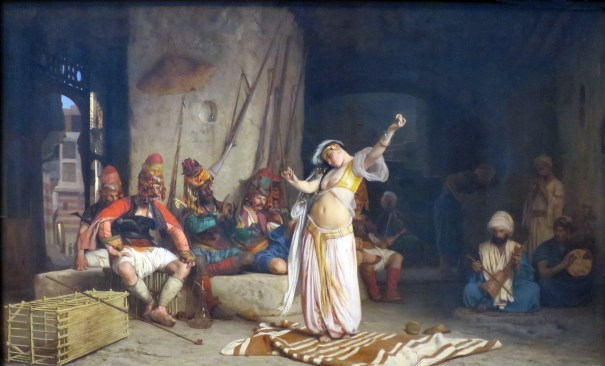
La danse de l’almée (The Dance of the Almeh) by Jean-Léon Gérôme, 1863
This first novel is a mature exploration of sexuality, power, religious suppression, and female liberation. When danse du ventre was exhibited at the 1893 Chicago World’s Fair, it gained national attention with dancers from various Middle Eastern countries, and subsequently, the sexualization of the dancers and the dance.
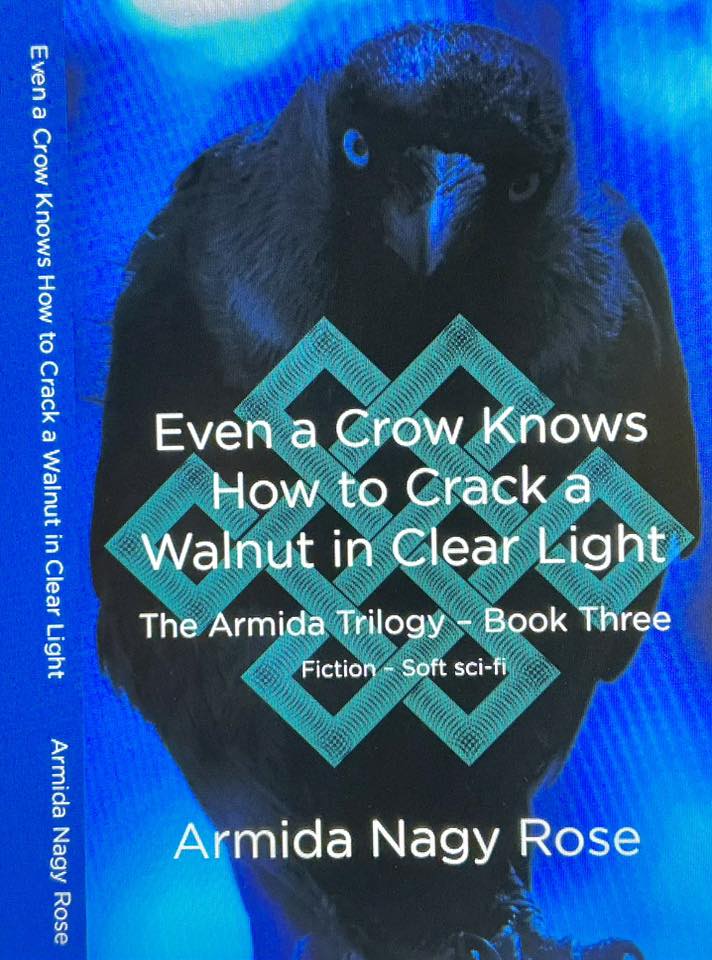
Even a Crow Knows How to Crack a Walnut in Clear Light; Space Includes All Beings and Things is a provocative novel that follows Ana, a gifted M.I.T. graduate, who becomes the nexus of a profound collision between cutting-edge technology and timeless spirituality. From her early childhood, Ana’s innate brilliance and cosmic curiosity begin to unfold, setting her on a path that leads to the enigmatic depths of Area 51 and beyond.
Recruited by a visionary corporate consortium with orthodox ambitions to reshape the world. Ana’s expertise in military research became a gateway to deeper philosophical questions. As she navigates the intrigue of classified science and symbolic history, Ana began to question the very nature of existence.
The novel blends elements of literary nonfiction, romance, and metaphysical exploration. Themes of interconnectedness, illusion, and liberation emerge as she discovers an inward path of truth: that death is not the end but a veil and that all beings and constructs are part of a vast conscious universe. The subtitle to the novel, Space Includes All Things and Beings, encapsulates this unveiling, inviting readers to consider a reality where science and spirit [one’s creative force] are not opposites but reflections of the same cosmic truth.
In Poetic Form
In the hush between equations and stars, A girl name Ana listens— To the hum of atoms, To the silence of death, To the mutter of crows.
Born brilliant, she maps the cosmos With chalk and curiosity, Her mind a telescope, Her heart a cipher.
Recruited by shadows, She crafts weapons for the world That fears its own reflection. But in the desert of secrets, Direction blooms like the prickly wild rose.
She begins to see— Not with eyes But with her spirit’s aperture That death is a doorway, not a wall, That space is neither empty or emptiness But infinite with presence.
And even a crow, Black-winged and laughing, Knows that— All things are one, All things belong, And all things spiral toward light.
The main protagonist, Ana Tabbot, was obsessed with the properties of light since her early childhood and throughout her existence, especially by gaining more knowledge about light from her physics studies at MIT and later in pursuit of the light body discussed in ancient texts.
While the novel Even a Crow Knows How to Crack a Walnut in Clear Light renders a simplistic explanation of Ana’s experiences, this blog discusses something fascinating about light, which renders another interpretation of when Jesus appeared before the temple courts at Jerusalem’s during the Feast of Tabernacles, a significant Jewish festival associated with light. In Jewish mysticism (Kabbalah), the Feast of Tabernacles (Sukkot) symbolizes the spiritual journey of the soul or Self and the anticipation of “ultimate presence,” acknowledging the temporary nature of the material world that also includes the anatomical body of all beings and things.
As written in the Gospel of Matthew, to the gathering of celebrants at the temple courts, Jesus said that, “I am the light of the world” while he also admonished them that they, too, “are the light of the world” and to “let [their] light shine before others.” His declarations are interpreted literally to this very day.
This blog will be the first of several on how to interpret “light is us” or “we are light.” First of all, here is a review of how “light” was referenced in ancient texts: (1) In the Upanishads, “Light in the heart,” “light of lights.” (2) In the Bhagavad Gita, “Light in all beings.” (3) In the Mahayana Sutras and treatise of Buddhism, “luminous mind.” (4) In the alchemy treatises of Taoism, “Spirit’s brightness.” (5) In Zoroastrianism, “wisdom, goodness, and eternal presence of the Lord of Creation, (6) In the Gospel of Thomas and the Pistis Sophia of Gnosticism, “light within,” “spark of consciousness.” (7) In Sufism (Islamic mysticism), “Light of Lights,” the actual inner illumination that transforms the heart, mind, and soul (Self) of the seeker, acknowledging that “all existence is a manifestation of Divine Light and everything reflects it in varying degrees.”
And in the Higher Tantras of Tibetan Buddhism, light has several defined aspects—”innate purity and luminosity of mind” (for example, physical electromagnetic energy); “non-conceptual, “beyond senses” (for example, sensory phenomenon);
a metaphor for “awareness and knowing” (for example, means to see objects); “spontaneous, unconditional timeless presence” (for example, beyond conditioned, time-bound reality; nonduality); and “direct experience” (accessed through wisdom seeing). In essence, “light” or “clear light” is a poetic term for the direct, pure, luminous essence of mind and awareness, recognizing the ultimate reality by being liberated from all conceptual and sensory overlays.
In all of these texts, “light” is used as a metaphor for consciousness and for understanding the mystery and illumination of awareness.
o0o
The Science
For the first time, scientists have observed quantum communications of light within us that drive DNA replication. Life is driven by light and frequency. Homo sapiens sapiens are not excluded from this reality.
In his research, German biophysicist Fritz Albert Popp demonstrated that every living cell emits a ultra-weak, coherent stream of particles called a biophoton field, the central source of light. The biophotons form a system of colored electromagnetic energies that regulate metabolic processes. It is a light that is beyond basic photosynthesis. The master conductor of the cellular orchestra is the DNA molecule, which constantly absorbs and emits light.
It is a high-speed communication network that governs all the metabolic processes of the body and that makes for a healthy body or a diseased body. The healthy body results for a harmonious laser-like biophoton field whereas the light of the diseased body is scattered and chaotic.
It may go without saying that this translates into the physical reality behind the spiritual concept of healing and of the light body. One’s quality and condition through conscious living increases the coherent and intensity of the light that emanates from one’s genes. He said, “We know today that [we], essentially, [we are beings] of light,” thus shedding light on philosophical and scientific implications of light as defining the nature of all living organisms and future understanding of how the cellular functions relate to consciousness.
Basically, DNA molecules emit biophotons that form an information field inside and around cells, thus acting like routers that distribute signals in transferring essential information for regulating biochemical reactions, cell cycle control, cellular metabolism, and tissue organization. Moreover, biophotons are involved in the communication pathways in the plant and animal kingdoms., including neural signaling. Thus, a light body is possible under the right circumstances, conditions, and abilities.
o0o
Philosophical Implications
Philosophical implications were discussed earlier; however, this blog is merely introductory to the modern science of the many properties of light. For example, the properties of light include the following:
Its wave-like nature (wavelength, frequence, and polarization
Its particle-like nature (photons)
Its constant speed in a vacuum (approximately 300,00km/s)
Its ability to interact with matter (through reflection, absorption, transmission, refraction, dispersion, diffraction, and scattering)
Its electromagnetic nature (radiation, composed of oscillating electric and magnetic fields that propagate through space)
“Form is emptiness, emptiness is form”
Physicist David Bohn, described matter as “condensed or frozen light” (i.e., matter as “frozen light) trapped into patterns that move slower than the speed of light. He concluded, “We are frozen light.” The spiritual implications of acquiring a Body Light is reserved for a later blog. As Siddhartha Shakyamuni inferred earlier than Albert Einstein’s E = mc2, energy [light] and mass are interchangeable. Siddhartha Gautama said, “Form is emptiness, emptiness is form.” “Emptiness” is just another way of saying that “form” is absent of inherent, independent existence in all phenomena. Emptiness, in this case, is neither nothingness nor void.
Energy cannot be created or destroyed. It can only be changed from one form to another.—
Albert Einstein
This blog is best appreciated with a previous blog, “Homosexualism?”. It relates to a recent biological science (as of June 2025) from the Stanford University School of Medicine by Dr. Nirao Shah, MD, PhD, neurobiologist, and his team who have studied how the female and male brains differ and how those differences arise from different genes and hormonal diversity during fetal development. The gist of their finding, as it pertains to the earlier above-mentioned blog, is that hormones act on genetics in utero, which have both organizing and activating effects during two stages of life—in utero and in puberty.
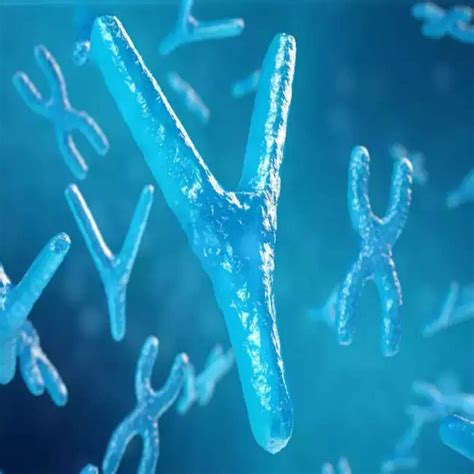
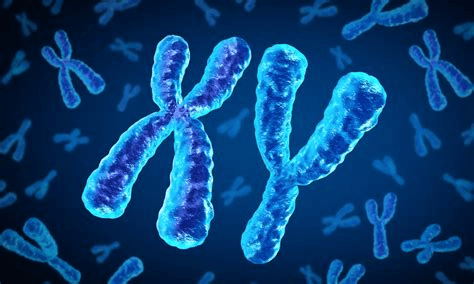
There are 22 pairs of autosomes shared by the sexes, and then there are the X and Y that are gender specific. Females have two X chromosomes (XX); males have one X and one Y chromosome. Basically, since chromosomes contain genes that contain information, there is one particular chromosome that makes up the male—Y in XY.
Generally speaking, the 22 pairs of autosomes determine traits and other non-sex-related characteristics. However, the Y chromosome carries the SRY gene that determines if the Y chromosome will have testicles or not. Repeat, it is the SRY gene of the sex-determining region Y chromosome that determines if the embryo will hae testicles or not. It is the master switch for male sex determination in mammals, which encodes a protein that initiates the development of testes in a fetus. It, moreover, acts as a transcription factor, binding the DNA and triggering a cascade of gene activity. Without a functional SRY gene, the development of the female embryo happens. It also may prevent the development of female reproductive structures like the uterus and the fallopian tubes.
Moreover, the SRY gene can lead to sex reversal. An embryo with a Y chromosome (XY) can develop female characteristics. In rare cases, the XX embryo can develop male features. Nevertheless, without conclusive scientific evidence, it is presumptive to conclude that the SRY gene is a mutation; but the study of the SRY gene can provide insights into the development of sex-linked expressions and not necessarily disorders or good versus bad mutations. At any rate, a gene mutation that changes the nucleotide sequence of a single gene—such as a substitution, insertion, or deletion of one or a few DNA bases—can affect a single protein.
Why question our differences; embrace them as we do the variety of birds and flowers and trees….
It is really important, in a world that is often very ‘either/or’, to remember there can be both, neither and everything–that is, other than the ‘binary’ of male or female. -–Sally Goldner
Characteristic of the author’s novels (The Armida Trilogy), vignettes tend to populate her narratives. Though it is a brief encounter of a gay man helping a sexually abused maiden escape from her master, a gay woman revealing her affection toward a non-lesbian, and a few Two-Spirit beings, the novels include their existence. Regardless of what one’s opinions or beliefs are on homosexual behavior or otherwise, the fact remains several worldwide cultures have recognized that there are more than two sexes or genders.
One of the cultures that explicitly recognizes five sexes are the Indonesian Bugis in South Sulawesi, Indonesia. Generally, these five sexes are customarily defined as follows:
1-2 Cisgender men and women—s person whose gender identity corresponds to their sex assigned at birth.
3 Biological females who take on male roles or “woman-in-man gender”.
4 Biological makes who takes on female roles or “man-in-woman gender.”
5 Androgynous or intersex “eunuchs”. In the Bugis culture, these “eunuchs” are often of the priestly/shamanic classes and are considered to embody all genders or existing beyond gender. This category also includes hermaphrodites and gender fluidity. (Interestingly, the term in Buginese is “bissu.” In Sanskrit, it is “bhiksu.”)
In some Native American cultures, there has more than the two genders (cisgender or not transgender). In some tribal cultures, just three and in others five. One such tribe is the Diné (Navajo). The outlier sexes in Diné have often been described as having Two-Spirit identities. This adaptation understands the importance of bringing harmony to the communities, which usually is of a spiritual nature.
The concept of Two-Spirits refers to individuals who embody both feminine and masculine traits within one individual. These individuals are considered to have a “mixed-gender consciousness.” Such people were recognized and respected in over 150 tribes and held special social and spiritual roles as among the chronicled Bugis of Indonesia.
Basically, the five-gender framework recognizes that those with Two-Spirit inclinations offered sacred gifts and respect to the society at large. They were associated with heightened empathy and unique perspectives. They were often healers, name-givers, matchmakers, artists, insights, and visionaries (not just prophetic). They also could be warriors.
Even Talmudic Judaism (circa 3rd century (based on oral tradition) through 600 CE)) recognizes a six-sex system based on physical and biological characteristics. The sixth sex is split into two, making it seven. The Talmudic sex system is as follows: (1) Male, (2) female, (3) both male and female sexual characteristics, (4) indeterminate or hidden characteristics of male or female that make their gender unclear, (5) a baby assigned as female at birth but who does not develop typical female secondary sexual characteristics and is infertile (aka barren), (6a) a male who is naturally unable to develop typical male secondary sexual characteristics (a natural eunuch from birth), and (6b) a male eunuch due to human intervention (castration). The identification system, however, is more nuanced and segues into the main reason for this article.
Imperial China Eunuchs
The point of this article is to understand the term “eunuch,” a role that has been around as a group for a long time—as early as 4,000 BCE in imperial China; 2,000 BCE in Sumerian, Egyptian, and Assyrian civilizations, including ancient Greece and Rome, Byzantine Empire, and the Islamic and Ottoman Empires as well as Siam (Thailand) and Southeast Asia. Contrary to common belief, being a eunuch did not always involve castration. Nevertheless, the recognition of being a eunuch from birth, as reflected in ancient texts, has been debated in theology and history to the present. Fascination, ambiguity, and social ambivalence remain in prevailing cultural perceptions. Sadly, “homosexuals” have been viewed as sexually ambiguous or as “other” and often marginalized and persecuted.
With a focus on the New Testament of the Bible, which was written in Greek, and described as the Greek Testament or as the “Word of God,” there is an elaborate description of the “eunuch.” When the Gospel of St. Matthew was written between 50 and 95 CE (due to traditional dating and scholarly disagreement), it was written in Greek for a Hellenic Jewish-Christian audience composed of both Jewish and gentile converts around Antioch in Coele Syria. (The significance of this area was that, be they gentiles or Jews, the messianic followers were finally called “Christians *(Acts 11:26).” Antioch was well established with a strong Jewish identity and synagogues. The gospel, written in narrative style, records how the eunuch of the time was perceived. Whomever the author was, it reflected Jewish legal traditions and teachings. Matthew was one of the twelve apostles of Yehoshua (Greek Iesous), the Messiah, and was known as a tax collector for the Roman Empire.
According to historian Judith Herrin, the earliest Gospel of Matthew, chapter 19, verse 12, regarding eunuchs, reads—
There are some eunuchs, which were born from their mother’s womb; and there are some eunuchs, which were made eunuchs of men; and there be eunuchs, which have made themselves eunuchs for the kingdom of heaven’s sake.
It recognizes the eunuch as a sixth and seventh sex gender, whereas some modern translations contain different or misguiding connotations, such as the following:
For there are different reasons why men cannot marry: some, because they were born that way; others, because men made them that way; and others do not marry for the sake of the Kingdom of heaven. Let him who can accept this teaching do so.” – Good News Translation
There are different reasons why some men cannot marry. Some men were born without the ability to become fathers. Others were made that way later in life by other people. And some men have given up marriage because of the kingdom of heaven. But the person who can marry should accept this teaching about marriage. – New Century Version
Some men are not able to have children because they were born that way. Some have been made that way by other people. Others have made themselves that way in order to serve the kingdom of heaven. The one who can accept living that way should do it. – New International Reader’s Version
There are men who from their birth have been disabled from marriage, others who have been so disabled by men, and others who have disabled themselves for the sake of the Kingdom of Heavens. He who is able to receive this let him receive it. – Weymouth New Testament (Wycliffe uses the term “geldings”.)
This history of eunuchs spans from the fourth millennium BCE to the present. Often eunuchs were considered young men who were castrated to perform certain roles. Historically, however, the category in antiquity was broader and strictly not limited to castration. They were identified as men who lacked sexual desire for women. Thus, those born without a desire for sex with a woman are understood as homosexual. Many eunuchs, however, were able to procreate and some sexually served both men and women. Some blurred the lines of heteronormative expectations. Some held imperial roles as guards or officials while others were ridiculed or excluded. In summary, they were not synonymously homosexual men in a strict sense. However, many are born as such from their mother’s wombs.
It goes without saying that there are nuanced implications to understanding gender diversity beyond the binary model, especially in western societies influenced by colonial times and by the non-holistic worldview of certain Islamic and Christian indoctrinations, which have been based on patriarchal systems and rigid binary gender roles. Such patriarchal norms have even normalized the dehumanization of women, femicide, hyper-sexualization, and subjugation. It also goes without saying that, despite the legacy of gender binaries, there are still persistent legal codes and social attitudes that criminalize and stigmatize non-binary and trans-identities. Such laws and religious perceptions bring about disharmony to a global society when tolerance and harmony among the differences is much needed and desired by a majority.
It is a travesty to enable a society that cannot accept what is natural. This is somewhat similar to preventing women to breast feed in public because it is not a normal process but animalistic.
Recognizing the five genders, not only women’s diverse roles, the roles are tied to the ideals of acceptance and societal harmony. The “stay woke” movement of the 1970s by the Black community through to early 2020s in the United States of America became politically charged in 2025 to criticize anything perceived as progressive became a derogatory term to dismiss or to attack those ideas that encourage an awareness of the social injustice of women, of nonwhite races, of sexism, and of LGBTQ+ rights. Awareness of social injustices is to be WOKE in support of DEI initiatives—diversity, equality, and inclusivity—to accept the natural order of existence.
In summary, if, in fact, there are individuals who fit the definition of a eunuch “born from their mother” or of natural birth, then it would be desirable to accept and to welcome them as genetically normal. But it’s not that simple. Why not continue to strive for a new “New Renaissance” (an American Rebirth) when significant cultural, artistic, intellectual, and technological innovation and renewal be the new paradigm for humanity, blending both old and new wisdom as humanistic values. Humanity cannot survive if the allure is to those who wish to rule by dark psychology with vehemence.
At least, what the human experience of the United States of America needs now is not just to say, “It is time for all good men to come to the aid of the party,” especially when women and LGBTQIA are currently beleaguered. But whose party? Definitely not an anarcho-fascistic party! The People of the United States need an egregore—a combining of enlightened energy, which we all possess, to achieve the true American dream (a government for and by the People to survive) to unite by common goals and beliefs engendered by the living U.S. Constitution. This is true leadership for all.
Let us champion a humane view. After all, even US corporations in the 1990s recognized talents are found across all social groups, not just among a favored few.
For a biological explanation of why “homo sapiens sapiens” are not just cisgender female and male, read as follows: The Y Chromosome.
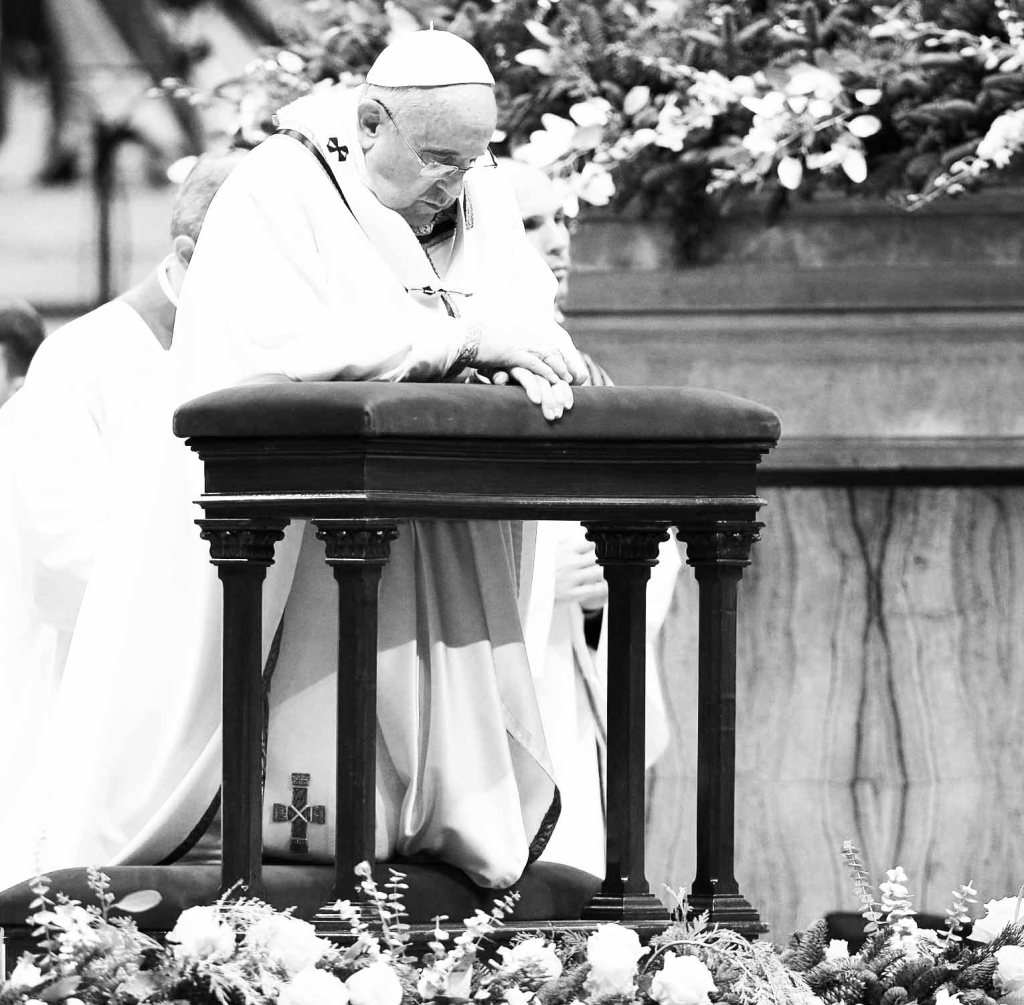
Rest in Peace, beloved Pope Francis. Many faithful cherished your compassion, courage, faith, and vision for relevancy in a chaotic world.
As reported by CNN, “Pope Francis, who challenged deeply rooted norms and made it his mission to change the perception of the [Roman] Catholic Church around the world, has died at the age of 88. The Vatican said Francis died just after 7:30 a.m. . . . on Monday [Italian time], a day after he surprised many by appearing at St. Peter’s Square . . . on Easter Sunday [April 20-21, 2025] . . . .”
“Love is the greatest power for the transformation of reality because it pulls down the walls of selfishness and fills the ditches that keep us apart.”
In Choir of Cloistered Canaries, the essence of Pope Francis was captured in the fictional Pope Hormisdas II. Just as Pope Francis, Pope-Saint Hormisdas I was no ordinary pontiff. Pope Francis and fictional Pope Hormisdas II were visionaries of a fragile Roman Catholic Church in need of revival to survive. (One will find Pope Hormisdas an interesting an enlightened pontiff.)
Pope Francis was a reformer. Much will be written about him in coming days with beautiful eulogies, but he had his enemies, like Opus Dei, to give the Pontiff a black eye.
Often referred to as the “People’s Pope,” the Pontiff sought to make the Roman Catholic Church more relevant. He rocked the boat continuously—by addressing past scandals, embracing the plights of migrants, and supporting the many poor and other marginalized faithful (the LGBTQ population, for example) out of the 1.4 billion Roman Catholic faithful worldwide. Moreover, he weeded out the financial corruption at the Vatican, railed against rogue capitalism, and warned against the effects of climate change. Some would call him a liberal as if it were a mark on his character. No pope has ever had the illustrious character and courage to face the conflicting issues glossed over by the traditionalists within the Vatican.
Will the next pontiff be another traditionalist, affirming that Pope Francis committed heresy—for example, for softening the ban on giving Communion to divorced and civically re-married Catholics? For others, he was not progressive enough: He was against abortion, in favor of clerical celibacy, and opposed to ordaining women even though he was open to giving women more of a role in running the church. However, he did something more than the previous Pope to weed out sexual abusers from the clerical ranks.
He also railed against world leaders who sought no humane solution to the mass migrations of people cause by climate change and political squabbles such as civil wars and the like. He said, “We cannot remain indifferent in the face of such human dramas. The globalization of indifference is a very ugly disease. Very ugly.”
“Who am I to judge them.”
To know more about Pope Hormisdas II, who embraced the Eastern Catholic Church, click here: Hormisdas.
A backstory: When the author wrote about Pope Hormisdas II writing Leitis to let her know he was visiting Panama (page 264) and wanted to meet with her in another private session, Ms. Nagy did not know there was an actual schedule by Pope Frances (Francesco) to Panama toward the end of January 2019. Also, the author is not of the Catholic faith; but she saw him as a contemporary hero.
One of the leading suppliers of of products for Emergency Chemical First Aid & Decontamination, Diphex Solutions, defines CHEMICAL INJURY as “the local result of the reaction that corrosive or irritant chemical products have with biological tissue, causing partial or total destruction. It can affect different parts of the body, such as the eyes, skin, respiratory tract, upper GI tract, and plants. Moreover, it “is a serious condition that requires immediate intervention and can lead to visual impairment, disfigurement, or .. death.”
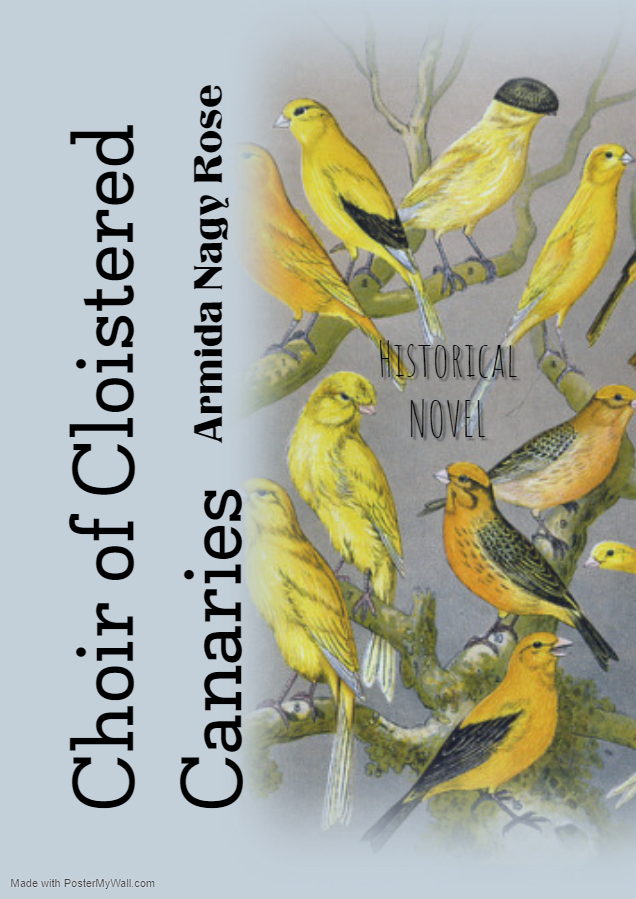
The novel, CHOIR OF CLOISTERED CANARIES, is an effort to bring the topic of chemical injury, in part, to the fore. For example, on page 45 through 48, Axex (a fictitious name for Avon Products, Inc.) it records how many toxic chemicals have been found in Axex products. It is astounding!
By way of some historical context, in June 2016, Democratic President Obama signed a bill into law that placed stronger regulations on chemicals present in nearly every product Americans use, including detergents, clothing, paint thinners, cleansers, and automobiles (WP, June 22, 2016,”The president just signed a law that affects nearly every product you use,” by Darryl Fears}.
Fears reported that “[t[his law gave the U.S. Environmental Protection Agency (EPA) more oversight and stronger tools to monitor chemicals that, in some cases could cause cancer and other health problems in adults and children.” However, when the Republican Trump Administration took over, the Administration with the help of Republican legislatures unraveled the protective oversight of the EPA
For every step forward there seems always to be two steps backwards when it comes to regulating toxic chemicals. If only we could make politics less toxic, too.
Our choir of cloistered canaries are forever vigilant of toxic chemicals. Their lives depend upon it, being so biologically fragile. Well, the human species is equally fragile when it comes to toxicity.
In recent times, there have been some recent clarion callers briefly discussed below:
–The “Medical News Today,” on June 12, 2023, reported that the artificial sweetener, Splenda, may cause DNA damage and cancer. The culprit chemical is sucralose-acetate and is considered a genotoxic (i.e., it harms genetic information within cells). Remember that we are referring to the artificiality of synthetics, which is hard for human biology to negotiate without the fear of chronic inflammation of the cellular tissues.
–A new law in New York bans certain laundry detergents that contain high levels of 1,4-dioxane, which is known to cause cancer. It is a synthetic used to stabilize chlorinated solvents. On January 1, 2024, the new allowably 1,4 dioxane will be reduced to 1ppm (part per million) The current allowable dosage is 2ppm.
–“The Keck School of Medicine of the University of South Carolina discovered that being exposed to a mixture of synthetic chemicals commonly present in the environment affects multiple crucial biological processes in both children and young adults. These processes include the metabolism of fats and amino acids. The disruption of these biological processes increases the likelihood of various diseases, including developmental disorders, cardiovascular disease, metabolic disease, and several forms of cancer,” according to “SciTechDaily” on April 24, 2023. In addition, this article pointed out that “[f]orever chemicals, also known as PFAS (Per- and Polyfluoroalkyl Substances), are a group of synthetic chemicals that have been widely used in various industries due to their unique properties, such as resistance to heat, oil, and water. However, PFAS have been found to have a persistent and toxic effect on the environment and human health.”
Caveat emptor—let the buyer beware. Do the homework before buying. It will save you $$$$ and your health.
For additional information on chemical sensitivities (a form of chemical injury on a spectrum), query Google or visit MaskedCanaries. Check out the blog “An Unexplained Illness“.
Since the dawn of time, when language and symbolic pictograms formed to express ideas, storytelling brought about cohesion among those who assembled together to listen. There was a thirst to belong and to learn. According to Lani Peterson at the Harvard Business Publishing, there is a science behind storytelling: “It was central to meaning-making and sense-making” by which “our minds form and examine our own truths [beliefs].”
Both DAUGHTERS OF THE DANCE and CHOIR OF CLOISTERED CANARIES do just that. More importantly, They both tell a multi-layered story of mixed relationships, scars, wounds, fears, change, loss, renewal, and happenstance. The romance is felt in each story, but it also deals with historical truths that cannot be ignored.
Beneath all of all of the events and feelings, some of the inquisitive characters of the novels were in search of something greater than themselves, beyond such questions as ‘why are we here? and ‘who are we?”. Others may have already understood and reached an awareness that could not be shaken to the core. To put it differently, the theme of each novel is to explore its deeper meaning while in the throes of impermanence.
The tightness one feels (referred to as suffering and dissatisfaction in Buddhism due to impermanence) is a constant companion today as it was yesteryears. For many, it was always to meet the need of food and shelter, water, air and the like (biological and physiological needs); for many, it was personal needs and the like (safety needs) and other needs that can be summed up as deficiency need. Then there are the growth needs, which are much a part of the theme of each novel. Nonetheless, both deficiency needs and growth needs can coexist and often do.
In Daughters of the Dance, the theme is embraced by intimacy (including dysfunctional intimacy) and trust, esteem needs, as well as aesthetic needs (the enchantment of the danse du ventre) in a world of trade in oil conflict. In Choir of Cloistered Canaries, in addition to esteem needs, it was cognitive needs—curiosity, exploration, knowledge, and understanding of the known/unknown past and present/potential technologies—by Leitis and Drew amid global connections.
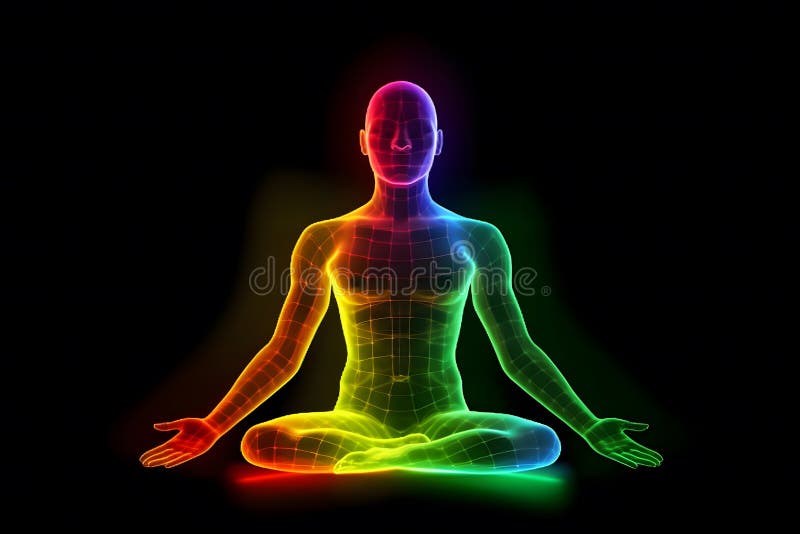
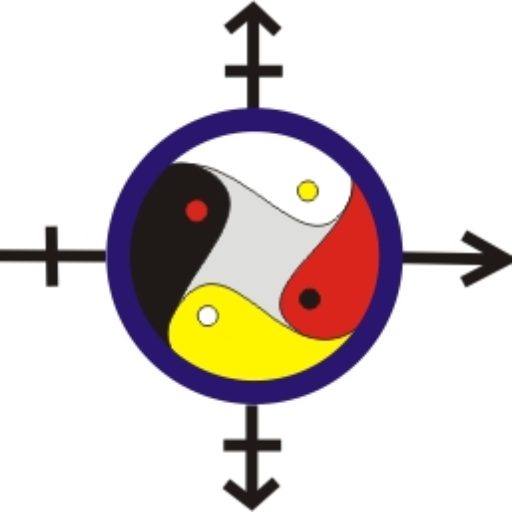
As a clue, the above-illustrated symbols speak to the transcendental … to transcend beyond the illusory Self.
The finding: Wisdom of spontaneous awareness in the expansive space of all things—empty cognizance of one taste, suffused with knowing, is your unmistaken nature, the uncontrived original state. When not altering what is, allow it to be as it is, and the awakened state is right now spontaneously present. From The Lotus-Born: The Life Story of Padmasambhava.
Ahem, ahem. It should not be surprising that this blog is #13 regarding the novel, Choir of Cloistered Canaries.
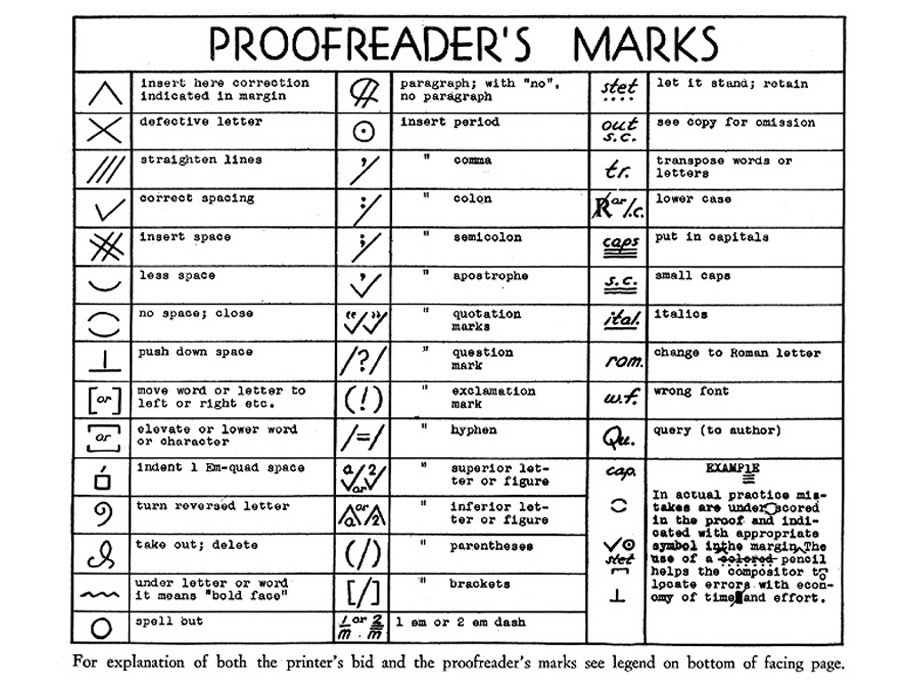
As they say among themselves in the business of writing and printing, “We print our errors.” As such, below is an accounting of the “printing errors” that were not caught by the author and the proofreader(s).
I feel there should be an accounting since I really abhor what has happened to most authors in the current modern editing process. Having started my private-sector experience with the Webster Edition of McGraw-Hill Book Company, Inc., in the late 1960’s, proofreading was taken seriously; and it required two persons—the one who read and the one who looked at the text. Those days are not afforded today.
Also, punctuation styles are all over the page in printed material. For example, there are eight primary uses for a comma; and its basic purpose is to let the reader know and experience a pause. Often, they are missing in the text or in the wrong places. As for semicolons, they are not interchangeable with a comma or a period; their most common use is to joining two independent clauses without using a coordinating conjunction like and. Another gripe—autocorrect is not always correct. Consequently, it tends to slow down the enjoyment of reading in my humble opinion. All said, now to the errata that has been recently detected when my partner read the book out loud for me.
Printing Errors – Errata
pp.
LOCATION OF ERROR
ERROR TOCORRECTION
22
Top of page, line 4
“plantation-shuddered” is to read “plantation-shuttered”
43
Para. 8, line 1
“Kepner-Trego” is to read “Myers-Briggs”
44
Para. 1, line 1
“Kepner-Trego” is to read “Myers-Briggs”
85
Para. 4, line 5
“German” is to read “Germany”
“welfare” is to read “warfare”
90
Top of page, line 1
“opted an” is to read “opted for an”
100
Para. 14, line 2
“how how” is to read “how”
118
First complete para. 1, line 6
“far back the” is to read “far back as the”
158
Para. 3, line 2
“phosgene. Drew, phosgene” is to read “phosgene. . . . Drew, phosgene”
158
Para 6, lines 5-6
“sensory activity of numerous trickling of water falling” is to read “sensory sound activity of trickling water falling into water”
169
Para 7, line 2
“she lounged” is to read “she rested”
194
Para. 2, line 1
“Bouna sera” is to read “Buona sera”
253
Para. 11, line 3
“lumbers” is to read “timbers”
Choir of Cloistered Canaries contains over 91,800 words
Editing really matters, but it has become another victim of the internet age where everyone is a writer; and it has taken third place. There are several reasons for this–people have forgotten grammar and punctuation and have forgotten how to write beautifully, impactfully, and meaningfully. In fact, editing is an art. Publishers and writers need to pay for this invaluable commodity. (Sadly, the third-party editor assigned to this novel was not following the Chicago style manual; and I had to cite from such manual, explaining why his or her changes were incorrect. I was hoping not to say this, but it was very distracting and frustrating.)
Throughout civilizations there have been symbols that dominated archeological findings. For example, the eagle, the serpent, and the variant crosses as the dominant ones throughout the rise and fall of civilizations. As modern Homo sapiens sapiens, we are familiar with these with a slight understanding of their meaning or symbolism.
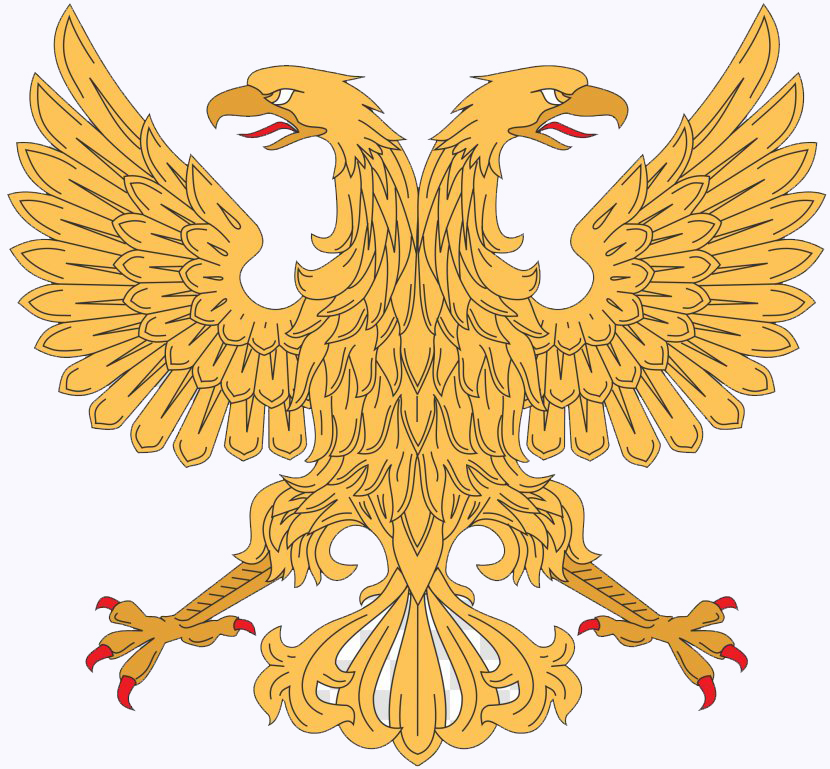
Early Byzantine Empire Looking towards the East and West
The historical novel, the subtitle of CHOIR OF CLOISTERED CANARIES is “Symbols for Everything under the Sun and Moon.” Each chapter has a designated symbol as a sub-theme for the chapter; and there is an appendix at the end of the story, explaining the use of the symbol.
Nonetheless, as impossible as it is to portray all the symbols that exist under the sun and moon, there are some very ancient symbols, which may not have been dealt with in the novel, are briefly explained below—the eagle, the serpent, the cross, the pine cone, the “handbag,” and others.
It is still debated as to which civilization is the oldest—the Indus Valley or Sumer or Egypt. However, as time passed, symbols were used as an abbreviation of what was involved in explaining the consciousness of the acts or intentions. By way of example, the Eagle head represents kingship, war, and conquer.
Note that slides six and seven seem similar. Slide six is early Byzantian; slide seven is a rendition of the Russian eagle.
An ancient example of the mighty bird symbol is found in the encyclopedic, Puranic literature that predates many traditions of Proto-Indus-Europe and Avesta literature. That legendary two-headed eagle of unimaginable strength is known as Gandaberunda. According to Wikepedia, the wrath of Narasimha (incarnated in the form of a part-lion, part-man) needed to be quelled, otherwise, he might furiously destroy the cosmos. The devas (gods) approached Shiva for help. To protect the cosmos, Shiva manifested as the fiercely being Virabhadra. When Narasimha refused to simmer down, Shiva took the form of Sharabha, a part-lion and part-bird beast who then fought Narasimha. It was then that, in his resistance, he took the form of the two-headed Gandabrunda who was even stronger than Narsimha. The two forces fought fiercely for 18 days. Defeating Sharabha to restore Narasimha’s sense of calm, he discovered how ruthless and wasteful his wrathful behavior, destroying everything in their wake. Their battle caused a great devastation and recognized it was better to be peaceful instead of destructive. Sharabha removed the skin of his body and presented it to Gandaberunda. Upon its self-awareness, the Gandabrunda split in two, giving rise to Shiva.
In our current mythology, the eagle represents rule, governance, and nations to control the subjects/citizens. The legend was supposed to teach that war is not necessary and that it is better to maintain peace by achieving balance. In some quarters, the balance between shiva and shakti (male and female) has to be achieved; otherwise, the cycle of rise and fall of civilizations will remain in perpetuity.
Vatican Fontana della Pigna
As symbols, the eagle, serpent, handbag, and pine cone represented the keepers of knowledge to jumpstart change to create civilizations. Until recently, their meanings were hidden. Sometimes, generally speaking, many symbols stood the test of time or where inverted or even perverted as evil.
The pine cone (pigna in Italian) is prominent at the Vatican that leads to the main entrance of its library and to the entrance to the Secret Archives of the Vatican. Known as the Fontana della Pigna, this large, bronze pine cone is dated around the first century of the Common Era and believed to have been relocated from Hadrian’s tomb. It was once located between the Pantheon and the Temple of Isis in Rome. Even the Pope’s staff has a pine cone carved at the base of the wooden portion of the staff.
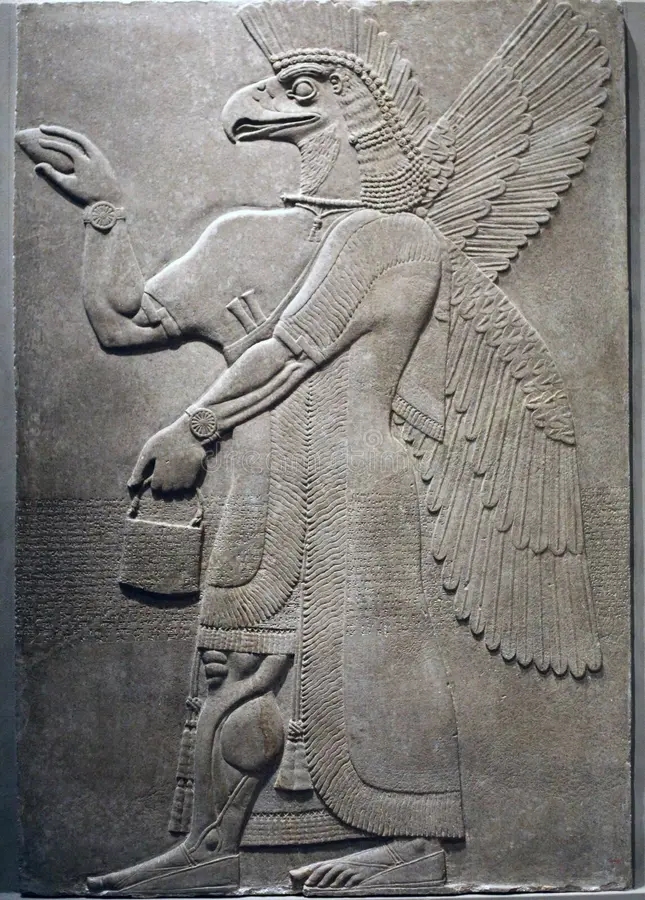
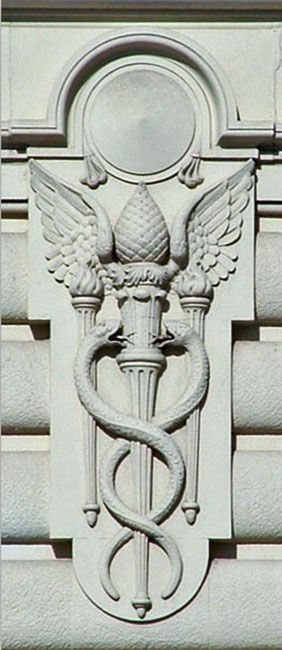
Other notable places to find the pine cone . . . The staff of Osiris intertwined with two serpents. Hindu gods have pine cones in their hands. Shiva’s hair is woven with snakes in the shape of a pine cone. Using the pine cones with serpents represents spiritual consciousness…the third eye, enlightenment, immortality. It should not be surprising to understand why the Roman pine cone was moved in front of the entrances to knowledge and hidden wisdoms. There are Assyrian carvings of god-like figures as men/eagle heads holding pine cones aloft in their right hand. The Assyrians also show a pine cone being used to fertilize the Tree of Life. A statue of a Mexican deity, Chicomecoatl holds a pine cone and evergreen tree branches. Dionysus also carried a staff topped with a pine cone.
Pine Cone flanked by the Caduceus, symbol of medicine (an adaptation of the Rod of Asclepius
Shiva holding the pine cone
The current understanding of the pine cone represents knowledge and the passing of wisdom, the cosmic consciousness of existence itself. That understanding, moreover, is applied to other symbols.
Pine cones contain the fibonacci sequence and have been a symbol of enlightenment throughout history. In mathematics, the Fibonacci sequence is a sequence in which each number is the sum of the two preceding ones, implying balance.
The pine cone and the “handbag,” which I opine is best described as a “tool bag,” is often represented together and is often depicted being held in the left hand.
The symbol of the “handbag” is probably the most debated. Perhaps the best current understanding is that it represents the tools necessary to build, materially, a civilization. It existed prominently in early Assyrian and Mexican civilizations with its pyramid and other megalithic structures.
The “handbag” is even found at Gobekli Tepe, Pillar 43! Gobekli Tepe is an active archeological site in the Southeastern Anatolia Region of Turkey, which is almost 12,000 years old, predating Sumer. Likely commenced by hunter-gatherers who were organized and already stylized in their expressions at the end of the Ice Age, it is a marvel and mystery.
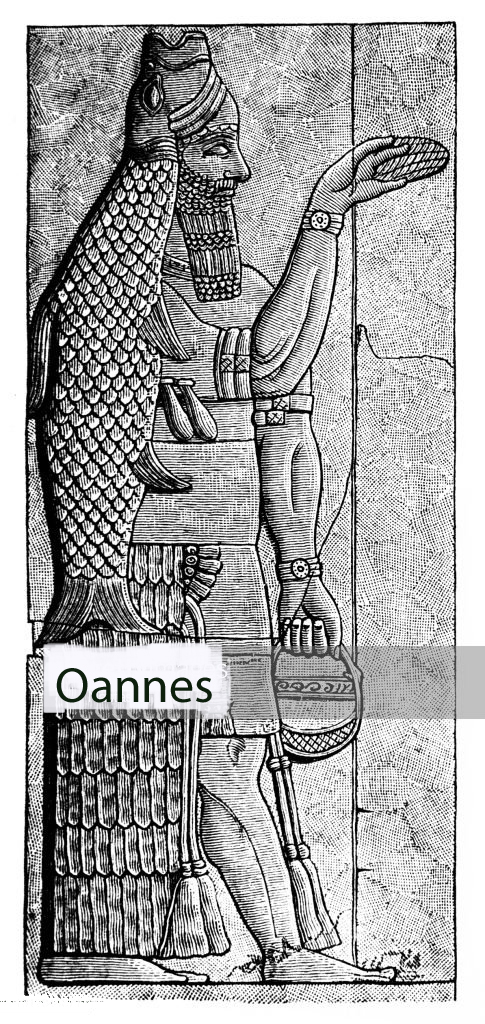
As a transitional piece, I introduce a later rendition of the pine cone and the “handbag” being held by an earlier deity, Oannes, as a fish body with head and feet of a man.
In Mesopotamian mythology, Oannes taught mankind civilization. In various depictions, he was clothed with a fish costume, representing an amphibious being. A Babylonian tablet was unearthed in the ancient Sumer capital of Uruk (current Warka, Iraq). Known also as Adapa and Uanna, Oannes was a 4th-century-BCE deity who taught the inhabitants of the Persian Gulf the written language, the arts, arithmetic, medicine, astronomy, politics, ethics, and law. The knowledge he imparted in astronomy, for example, was so precise for that time that the rotation of the moon was off by 0.4 from contemporary computer calculations. Note, too, that his eyes are closed as if transcendental.
Keep in mind that Sumer as a civilization emerged during the Chalcolithic and early Bronze Age (sixth-fifth millennium BCE).
There are other depictions of the “handbag” carriers as noted above.
As for the serpent and the cross, these symbols have been around both of which have had their meanings inverted and/or perverted over time.
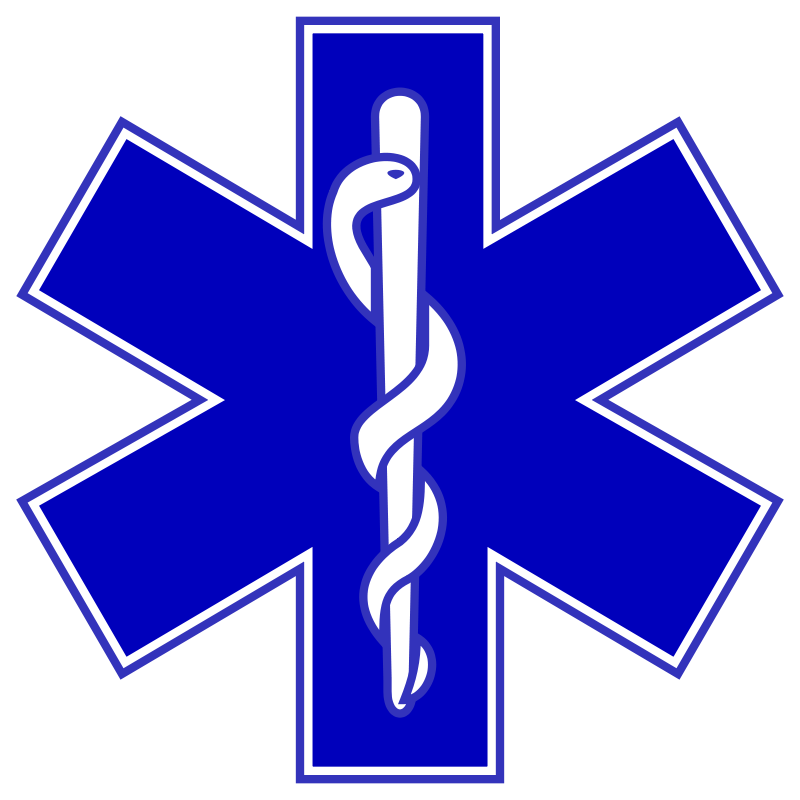
In more recent times, originating as a design element, the Star of Life is used internationally to identify emergency medical services and found on ambulances, medical personnel uniforms, medical bracelets, and the like, using the Rod of Asclepius, the ancient symbol of medicine. In some countries, its use is restricted to authorized personnel.
Carl Jung, a Swiss who founded analytical psychology, influenced the fields of psychiatry, anthropology, archaeology, philosophy, religious studies, and the like, once said that “the serpent shows the way to hidden things.” As such, variant symbols of the serpent have been used to represent spirit, the divine, enlightenment, and the power of transformation. In essence, to understand the hidden nature of things, an understanding of wisdom is required.
According to the Bhagavata Purana, Purusha Sukta, Narayana Sukta, and the Narayana Upanishad from the Vedas, the Seven-headed Narayana represents the ultimate soul or supreme consciousness. According to Madhvacharya, Indian philosopher of the school of Vendanta, Narayana is one of the five manifestations of Vishnu, albeit masculine in energy, which are cosmic emanations in contrast to his incarnate avatars.
As for those versed in the Hebrew scripture, the serpent tempted Eve to eat from the fruit of the Tree of of Knowing Good and Evil. Pardon me, but it seems that the message to the inhabitants who were told this version, were told to not listen to reason but to their leaders be they rulers or priests. Just saying. When Eve ate of the fruit of that tree, what is the impression of the fruit did she have? “When the woman saw that the fruit of the tree was good for food and pleasing to the eye, and also desirable for gaining wisdom.”
Illustration for Spell 87 for being transformed into a snake. Book of the Dead of Ani, Egypt c. 15th C BCE
From the ancient Egyptian Book of the Dead, the serpent regains its legs.
Then there is the crucified alchemical serpent. The serpent is crucified to “fix the volatile” or that which is changeable.
There are many other great serpent imagery such as the Kundalini. In Sanskrit, kundalini means “coiled snake” and represents the divine feminine energy force that resides at the base of the spine. Sometimes it is represented as two intertwined serpents. The process of it rising towards the top of the skull signifies awakening of the mind that includes both female and male energies that, apparently, stimulates the pineal gland (aka third eye) to experience unseen truths. Is this what Carl Jung meant?
As for the cross, we know it is a prominent symbol in Christianity; but it predates the Christ crucefics by millennia.
One of the famous carved megalithic pillars at Kobekli Tepe (Pillar 43), illustrates under three “handbags” a vulture holding an orb and a scorpion below. Upon astrological analysis, the vulture and scorpion represent the constellations Cygnus and Scorpius, aligned with each other. Furthermore, the orb, representing Deneb (one of the brightest stars in our galaxy) is connected to Cygnus and together, they form a cross. This ancient rendition of the cross symbolizes the crossing of energies–mind, body, and consciousness–to attain awakened awareness or ascension.
This is certainly food for thought, and the questions are endless when how great past civilizations ended.
Last but not not least, modern science call the pineal gland an atrophied third eye that needs to be exercised–Kundalini yoga is a good start. In Buddhism, it is referred to as the third eye: the vajra thunderbolt where the dimension of other realms is charged with immense lights of kundalini rising. When the preacher of Ecclesiastes 1:9 said there is nothing new under the sun,” what was the height, depth and breadth of his or her knowing?
Choir of Cloistered Canarlies explores some of these themes, especially the symbols for immortaility.




















 Armida Nagy Rose Author