
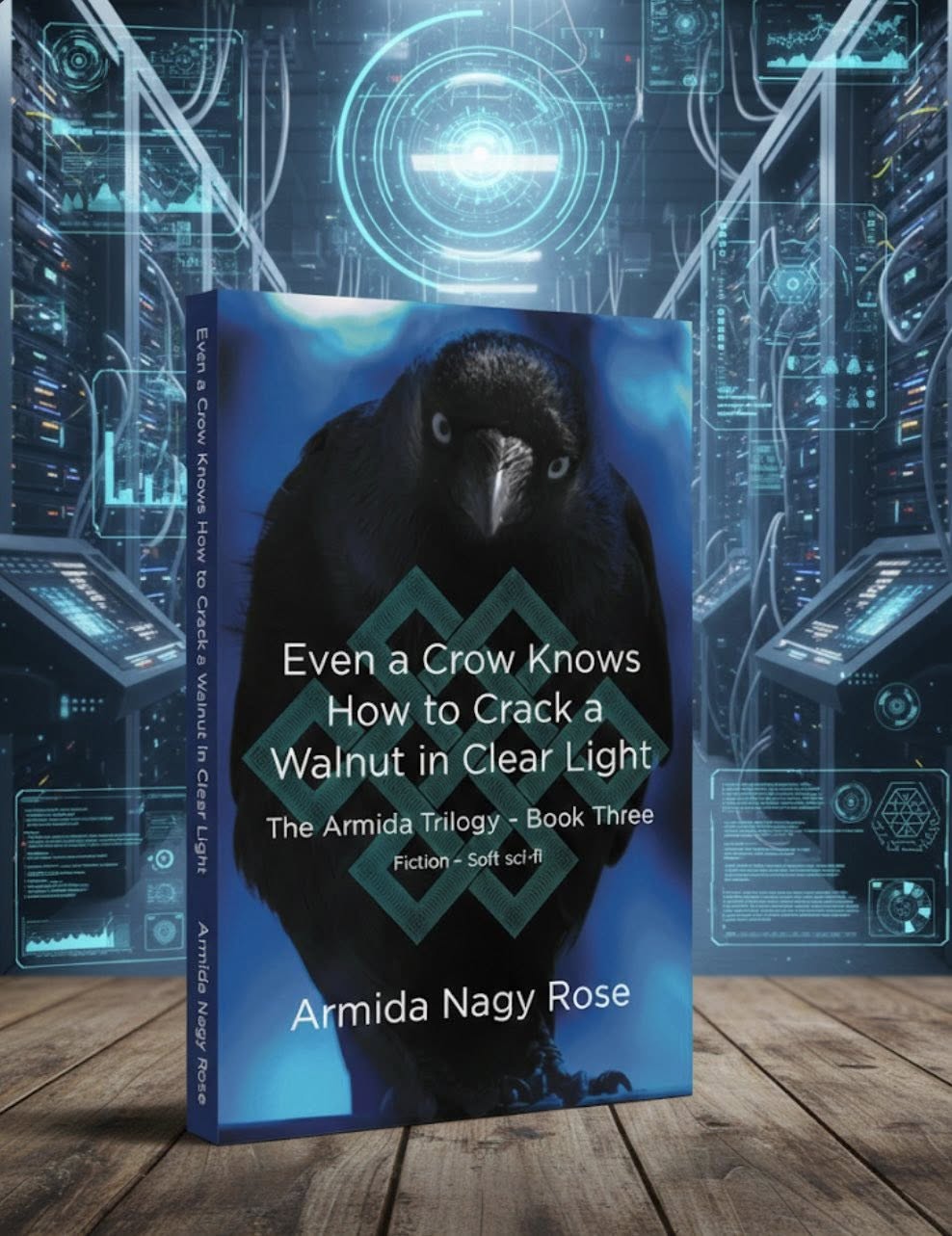
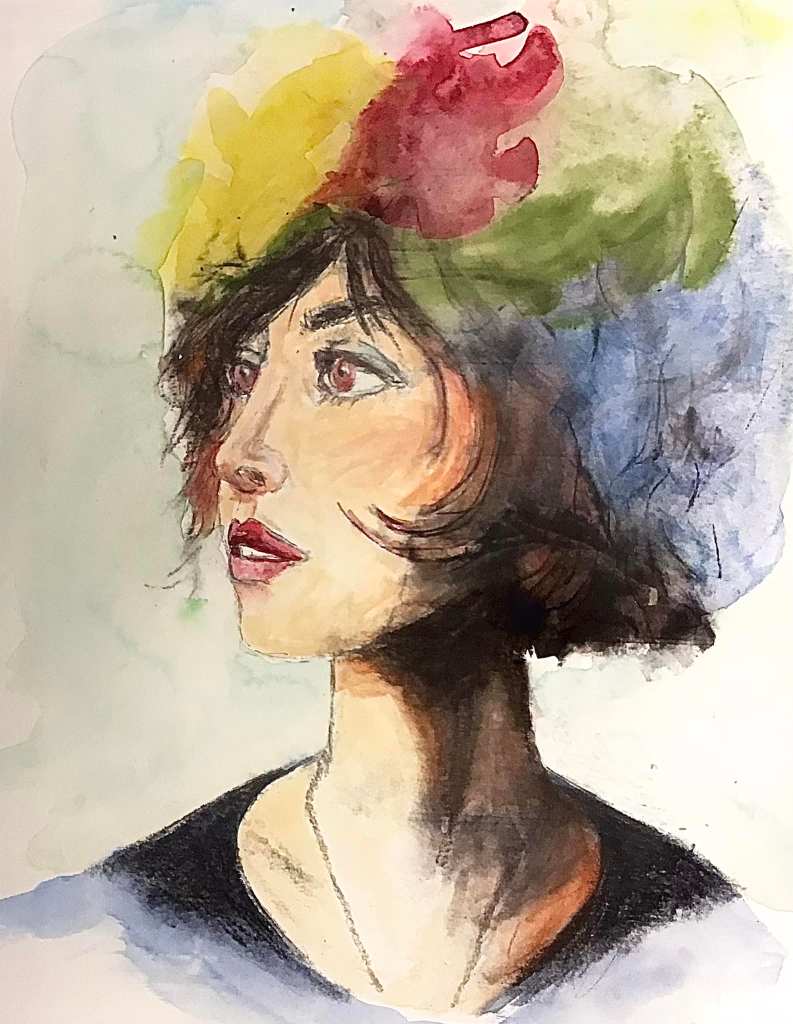
Her name is Ana, which is of Hebrew origin and means “grace” in many languages. The Hebrew name is “Hannah” whereas in Arabic, Ana means “bliss. Blending the meanings of these two languages has meaning throughout the novel. She is in quest for her true self from a scientific bent while combining contemporary quantum physics and the age-old quest of “turning base metal into gold.” Although Ana did not grow up in a cultural Hebraic tradition, there were still traces of imprinted influences from her mother’s psyche, which were also embedded in Ana’s psyche. Thus, the name became a label that became an integral part of her identity and sense of self. In fact, she eventually associated herself with the term “light,” giving way to a multifaceted topic in sacred literature. I am also light, she once said.
Hers is not a new world, but she immerses herself in a supernatural realm that blends with her familiar world of quantum physics. There is a deliberate withholding of information and explanation about Ana’s disconcerting world while what she experiences proceeds with logical precision. Much of what is withheld is due to secrets held by unknown Vajra Holders; and, in part, a miniscule aspect of such knowledge is sworn to secrecy by the author.
The secondary principal character in the title is the intangible Crow, Ana’s spirit animal, which symbolizes intelligence, wisdom, and transformation. In fact, the entire title is metaphorically transformational in nature, using different types of technology.
The initial story progresses, born to professional parents, Ana becomes a professional herself as an MIT graduate in engineering-physics. She is the only child of a Library of Congress research librarian and a military intelligence General of the U.S. Space Force.
Ana is recruited by a corporate head hunter with dubious designs not known to her. Upon graduating from the Massachusetts Institute of Technology, she agrees to work for a corporation tethered to the U.S. military and energy departments. Prior to reporting to her new assignment, she vacations in France at a Buddhist retreat where she experiences an undeniable truth about her personal experiences. Her professional assignment took her to the southernmost region of Chile. While there, she consorts with another American colleague as they discover the true nature of their mission with the corporation, an actual conglomerate.
In her next venture, Ana disappears into the mountainous Kingdom of Bhutan that is located at the southern extremity of the Tibetan Plateau and adjacent to the Tibet Autonomous Region as well as being closely related to the ancient Tibetan culture, where she is hosted by the “Dragon King” (Druk Gyalpo). It is there that she learns to become a Vajra (Diamond) Holder (keeper of the most esoteric teachings and practices of Vajrayana).

In summary, Even a Crow Knows How to Crack a Walnut in Clear Light is about an overreaching conflict between scientific technology and deciphering the ancient language of physics as conceived by humans. A subtle theme is woven into the novel about how historically-mentioned women and their contributions to society are shortchanged. This theme of women’s issues runs throughout the Armida Trilogy in Daughters of the Dance (Book 1) and Choir of Cloistered Canaries (Book II). In Book III, the principal woman reclaims her contributions in an undeniable manner.

