
Both negative and negative characteristics embody the Crow, a Corvid. Because it is black like the western view of black cats (bad luck and witchcraft)? The truth is that black is not a color, including white, because black is the absence of color while white is the presence of colors. In fact, viewed closely in sunlight, the colors of the crow range from iridescent dark blue and reflections of purple, violet, and sometimes green.
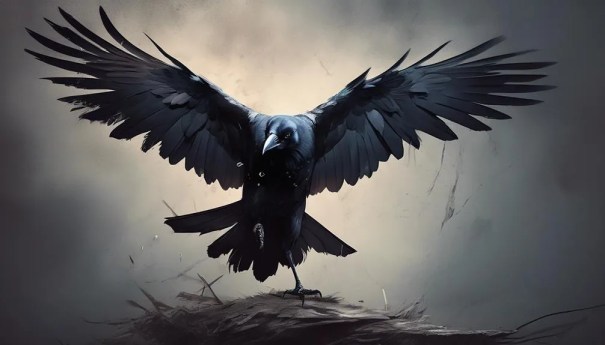
In some western societies, the crow will always forbode bad news. However, other older cultures view the crow as skillfully intelligent and communal. Their intelligence is comparable to a five-to-seven-year-old human. They live in complex family structures, prioritizing the care the young. They gather in massive communal roosts in the winter, sometimes thousands strong. They even hold generational grudges against specific humans who have wronged them to the point of communicating to other crows about the specific faces of those humans.
In the novel, EVEN A CROW KNOWS HOW TO CRACK A WALNUT IN CLEAR LIGHT, the portrayal of a crow is highlighted in its dual nature by two highly intelligent beings–physicist Ana Tabbot and strategist Karl Crowe. who are both social problem-solvers, except that one is in search of wisdom and the other seeks trickery for control of humanity. In their own ways, they seek death-to-life transformation while each used deception to reach their aims.
A frequent question is how to tell the difference between a crow and a raven. Basically, crows are smaller with fan-shaped tails and with a distinct “caw-caw” call. The raven is larger with wedge-shaped tails and shaggy throat feathers. Their call is a deeper “gronk.” It is better to consult the CornellLab to identify the 20 Corvidae (http://www.allabout birds.org).
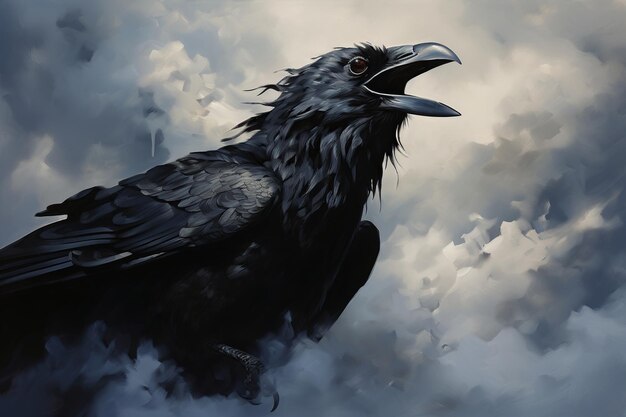
As the title of the novel evokes, crows are technologically savvy. They have advanced problem-solving skills known to design tools, improve their tool designs, and spread tool innovations to other crows. They also manufacture stepped-up tools. Even though an Aesop’s Fable, written in the around the 6th century BCE by a Greek slave, it was not until 2004 that a scientific study pitched the innovativeness of the Crow. “The Crow and the Pitcher” fable describes how a thirsty crow got water out of a deep pitcher to quench her thirst: she kept dropping pebbles to raise the water level. The 2004 study substantiated that covids have brains for complex cognition. These birds even cache food for future consumption in varying amounts depending on seasons.
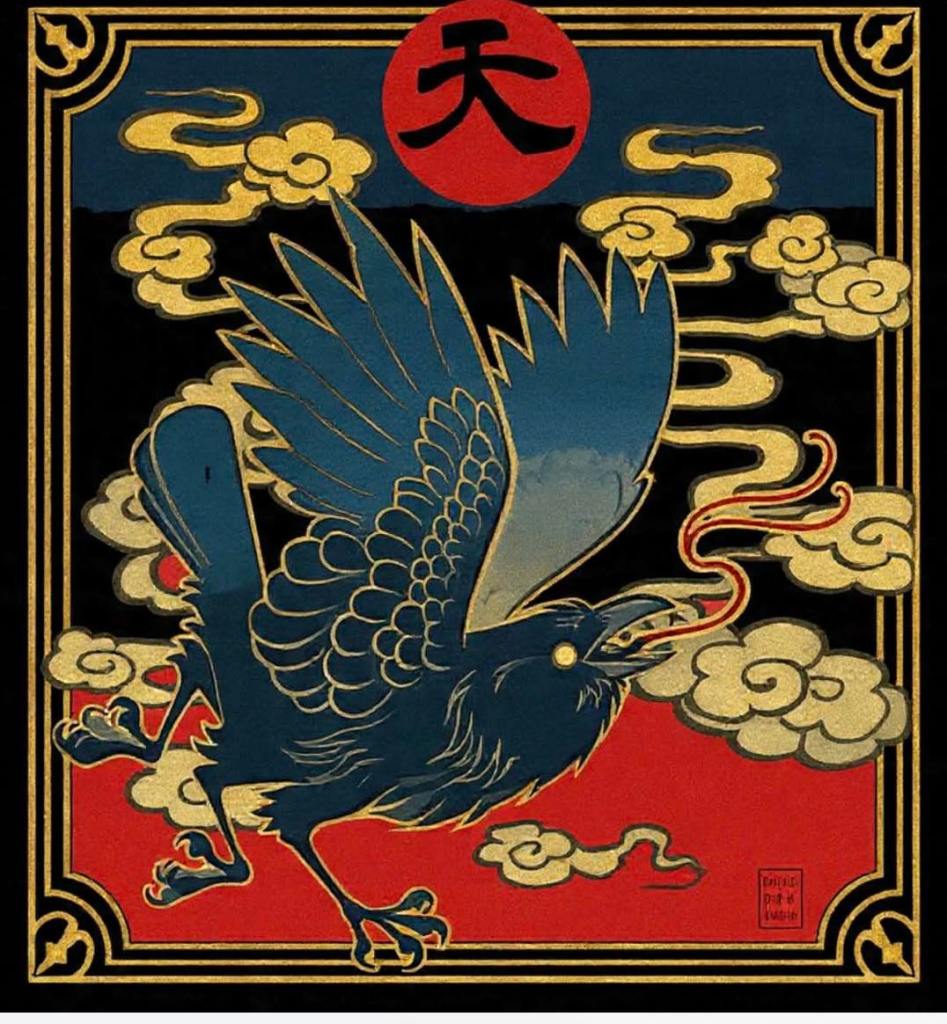
In recent times, the crow became known as “The Scientist of the Sky” due to its ability to find creative solutions to complex problems as does the main protagonist, Ana. The crow also suggests a “higher perspective” or “sharp-eyed awareness”. In Chinese and Japanese mythologies, the crow symbolizes guidance as the feminine sun and divine intervention with the image of a three-legged crow, Yatagarasu. Further, the three legs represent heaven, earth, and humanity to reflect convergence between the divine and mortal.
Another mythology comes from Oden’s two ravens (covid cousin to the crow). In the Norse language, their names are “Thought” (Huginn) and “Memory” (Muninn), symbolizing the power of mind.
THE ARMIDA TRILOGY is rich in themes, involving birth, death, and transformation. Each novel is distinct yet connected as the women’s role evolve over time. Check them out.
 Armida Nagy Rose Author